
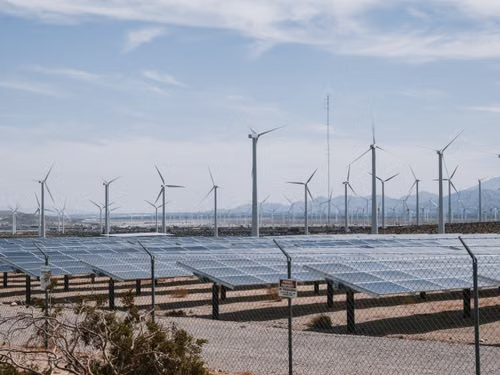
When we think about what a microgrid provides, electricity is often the first thing that comes to mind. But for many communities, particularly in rural and underserved areas, energy needs extend well beyond lighting and powering household appliances.
Services such as water heating, treatment and purification can add to community energy demand. In communities where these services depend on electricity generated by a microgrid, meeting thermal demands can place additional pressure on an already limited energy supply.
This raises an important question for the future of decentralised energy systems: can renewable energy be used more efficiently by meeting some of these thermal needs directly, rather than relying entirely on electricity? This challenge sits at the heart of CEPREC’s Work Package 3, which explores sustainable thermal energy solutions that can reduce electricity demand on microgrids while meeting essential community energy needs.
Exploring Solar Energy Beyond Electricity
One strand of the research focuses on the efficient management and utilisation of solar thermal energy within decentralised energy systems, particularly microgrids serving communities where freshwater needs are met through thermal distillation.
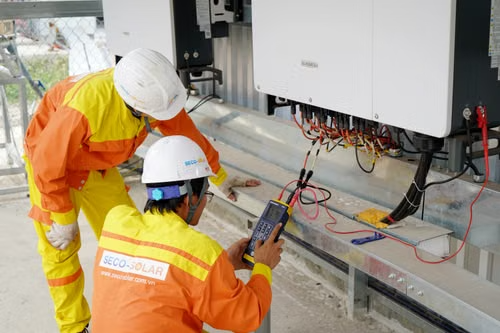
The research is exploring an innovative solar distillation system that combines a shallow solar pond with passive radiative cooling to support freshwater production.
The concept brings together two complementary processes.
The shallow solar pond is designed to enhance solar energy absorption, increasing the temperature of the water. This thermal energy can then support the distillation process. At the other end of the process, a radiative condenser is designed to enhance cooling and condensation without requiring additional electrical energy.
Together, these components are being explored as a way of making more effective use of solar energy for water purification while reducing the amount of electrical energy required for the process. Importantly, the research is not simply about developing a standalone water purification technology. It is examining how thermal processes can be integrated with renewable electricity systems to make better use of the energy available within a microgrid.
Why Thermal Energy Matters for Microgrids
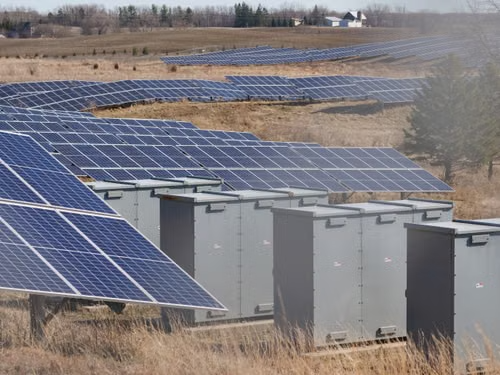
The role of thermal energy is particularly relevant in African contexts, where decentralised energy systems can support a wide range of community needs.
Microgrids are not only used to power basic electrical appliances. They can also support services such as water heating and purification, which can be energy-intensive. When these demands are met entirely through electricity, they contribute to the overall electrical load that a microgrid must manage.
This is where direct thermal utilisation becomes important. Rather than converting renewable energy into electricity before using it for a thermal application, solar energy can potentially be used directly as heat to meet appropriate thermal demands.
For microgrids, this could reduce the electrical load associated with services such as water purification and make better use of the renewable resources available. It could also contribute to more efficient energy management and support the long-term performance and affordability of decentralised systems.
For Work Package 3, the focus is therefore not simply on adding another technology to a microgrid, but on examining how thermal energy can be incorporated into energy planning to reduce unnecessary pressure on electrical systems.
Rethinking Microgrids as Integrated Energy Systems
The broader contribution of this research is a shift in how microgrids can be understood. Rather than viewing a microgrid simply as an electricity supply system, the research explores the possibility of designing integrated energy systems around the services communities actually need.
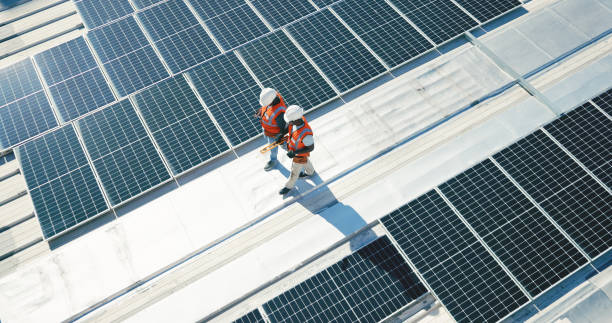
In this approach, electricity is one part of a wider energy system that can also incorporate thermal technologies and other applications. Water purification, for example, is not only an electricity demand; it is a community service that requires energy and can potentially be supported through a combination of renewable electricity and direct solar thermal processes.
This way of thinking moves the focus from asking only how much electricity a microgrid can supply to asking what services the energy system needs to provide and how those services can be delivered most efficiently. For African communities, where energy resources and infrastructure can be constrained, this broader perspective could support more flexible and multifunctional systems that respond more closely to local needs.
As CEPREC continues to explore circular and sustainable approaches to Africa's energy transition, research such as this highlights the importance of looking across the entire energy system from generation and storage to the services that energy ultimately provides. The question is not only how communities gain access to renewable energy, but how renewable energy systems can deliver the services people need in the most efficient, sustainable and locally appropriate way.
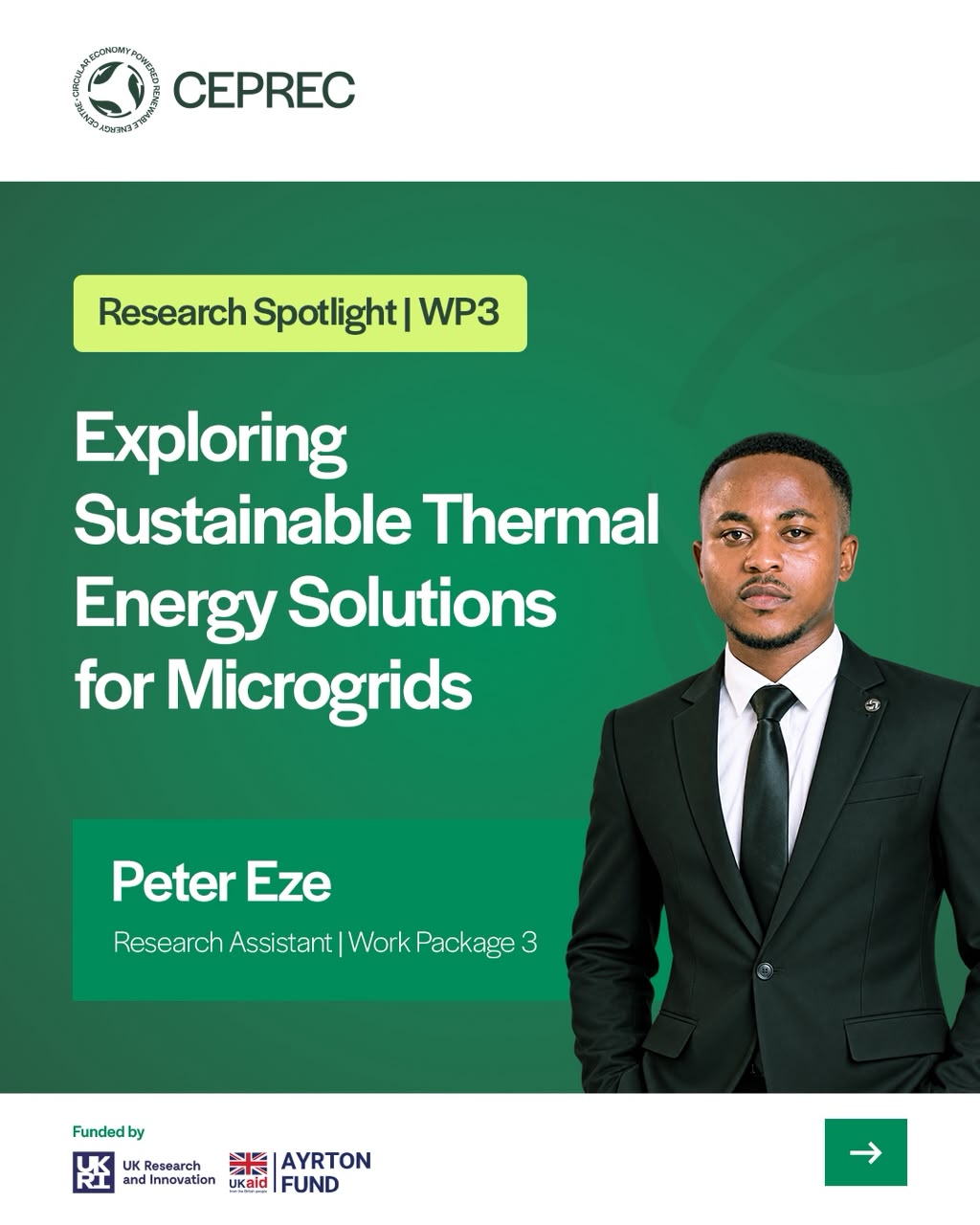
Peter’s research provides one example of how CEPREC is exploring that question: looking beyond electricity alone and investigating how thermal energy can become part of more integrated, resource-efficient microgrid systems.

.jpg.jpeg)