.jpg.jpeg)
As the global transition toward electric mobility continues to accelerate, important conversations are emerging around what happens to electric vehicle components once they reach the end of their first operational life. While battery reuse often receives significant attention, other critical components, particularly power electronics also present valuable opportunities for circular innovation.
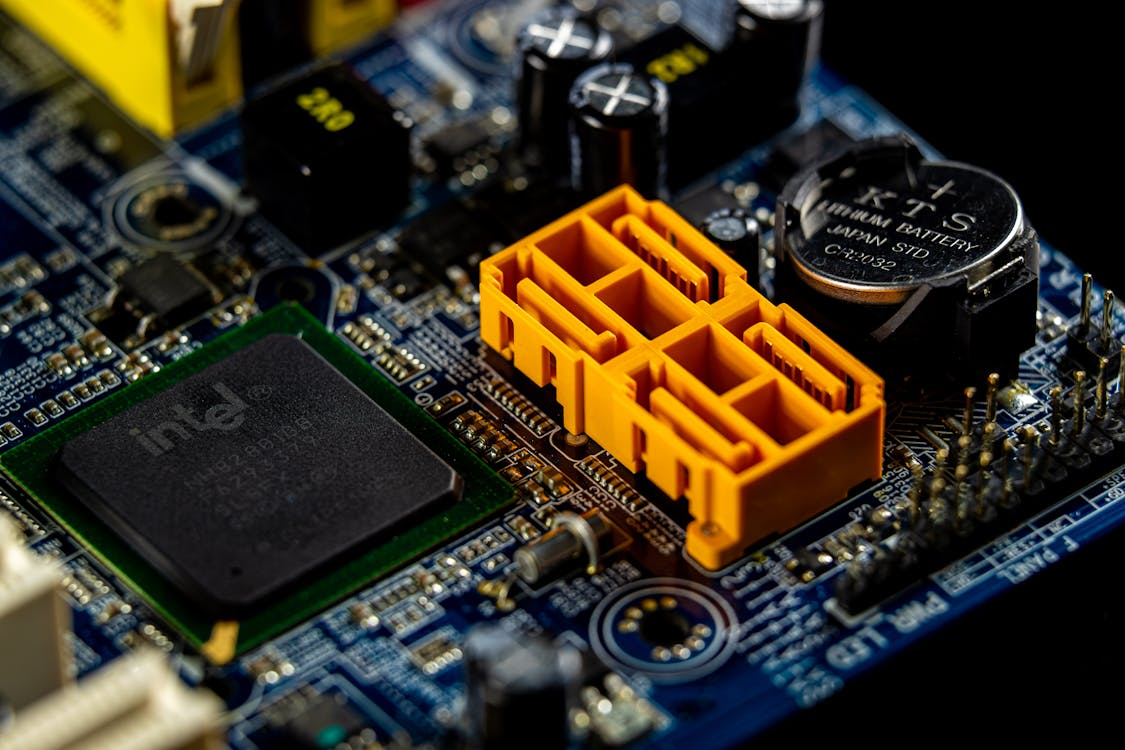
At the Circular Economy Powered Renewable Energy Centre (CEPREC), Sesilia Iileka, a PhD researcher from the Namibia team, is contributing to this growing field through her work under Work Package 1 (WP1). Her research focuses on the second-life application of traction converters originally used in electric vehicles, exploring how these components can be repurposed to support renewable energy systems such as solar photovoltaic (PV) microgrids.
Understanding the Opportunity
Traction converters are a key part of electric vehicle systems. They are responsible for controlling and converting electrical energy during vehicle operation, enabling efficient power transfer between the battery and the motor.
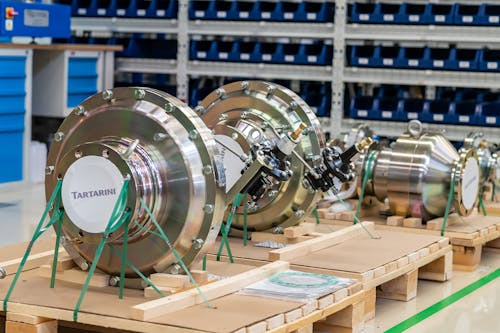
Although these converters may eventually reach the end of their service life in electric vehicles, this does not necessarily mean they have lost all functional value.
According to Sesilia, many traction converters still retain significant operational capacity even after their primary use in EVs. This creates an important opportunity within circular energy systems extending the useful life of existing technologies rather than discarding them prematurely.
Repurposing these components for renewable energy applications could help reduce electronic waste, improve resource efficiency, and support more cost-conscious energy system design, particularly in regions where access to reliable and affordable energy infrastructure remains a challenge.
The Challenge: Managing Thermal Degradation
One of the key technical challenges in second-life applications lies in thermal degradation.

During their operational life in electric vehicles, traction converters are exposed to continuous electrical and thermal loading. Over time, these operating conditions can lead to accumulated thermal stress on power electronic components.
If these thermal stresses are not effectively managed, the long-term reliability of the converters can become a major concern, limiting their suitability for second-life deployment.
This is the technical challenge at the centre of Sesilia’s doctoral research.
Exploring Vector Control for Extended Device Life
To address this challenge, Sesilia’s research investigates the use of vector control techniques as a strategy for actively managing thermal loads in power electronic systems.
By controlling how electrical power is distributed and managed within the converter, vector control can help reduce electrothermal stress on critical components. This approach has the potential to improve reliability and extend the operational lifespan of converters being considered for second-life applications.
In practical terms, this could make it more feasible to integrate repurposed traction converters into solar PV microgrids or other decentralized renewable energy systems.
For regions where microgrids are becoming increasingly important for energy access, especially in remote or underserved communities, this research could contribute to more efficient use of existing technologies while supporting long-term system sustainability.
Supporting Circular Energy Systems in Africa
Sesilia’s work aligns closely with CEPREC’s broader mission of advancing circular economy approaches within renewable energy systems across Africa.
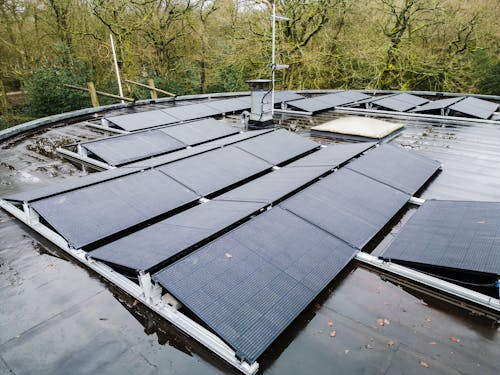
By exploring how EV power electronics can be reused in new applications, her research contributes to important conversations around resource optimization, waste reduction, technology adaptation, and system resilience.
As Africa continues to navigate its energy transition, research like this helps demonstrate that sustainable energy solutions are not only about developing new technologies—but also about finding smarter ways to extend the value of technologies already in use.
Through Work Package 1, researchers like Sesilia Iileka are helping build the technical knowledge needed to support more practical, context-driven, and sustainable energy systems for the future.