Africa’s Triple Challenge
Africa faces a convergence of three urgent realities.
First, energy demand is rising rapidly. The continent’s population is young and growing, and industrialisation is accelerating. Yet around 600 million Africans still lack access to electricity, and many more experience unreliable supply.
Second, grid instability continues to constrain businesses. In some regions, firms experience multiple power outages each month, undermining productivity and investment confidence.
Third, electronic waste is increasing. Africa receives millions of metric tonnes of e-waste annually, with less than 1 percent formally recycled. As electric vehicle adoption expands globally, used EV batteries are increasingly entering African markets.
Seen separately, these are challenges. Viewed together, they reveal a strategic opportunity.
“End of life for mobility does not mean end of life for energy.”
Second-life EV batteries can move from the transport sector into the energy sector, becoming grid assets rather than waste liabilities.
From Mobility Asset to Energy Infrastructure
Electric vehicle batteries are typically retired when they fall to around 70 percent of their original capacity. For a car, that reduction may compromise range and performance. For stationary storage, however, it remains highly usable. In fact, a retired EV battery often becomes a first-life asset for energy storage.
These batteries can support:
- Solar and wind storage systems
- Mini grids and microgrids
- Backup supply for small and medium enterprises
- Load balancing and peak shaving
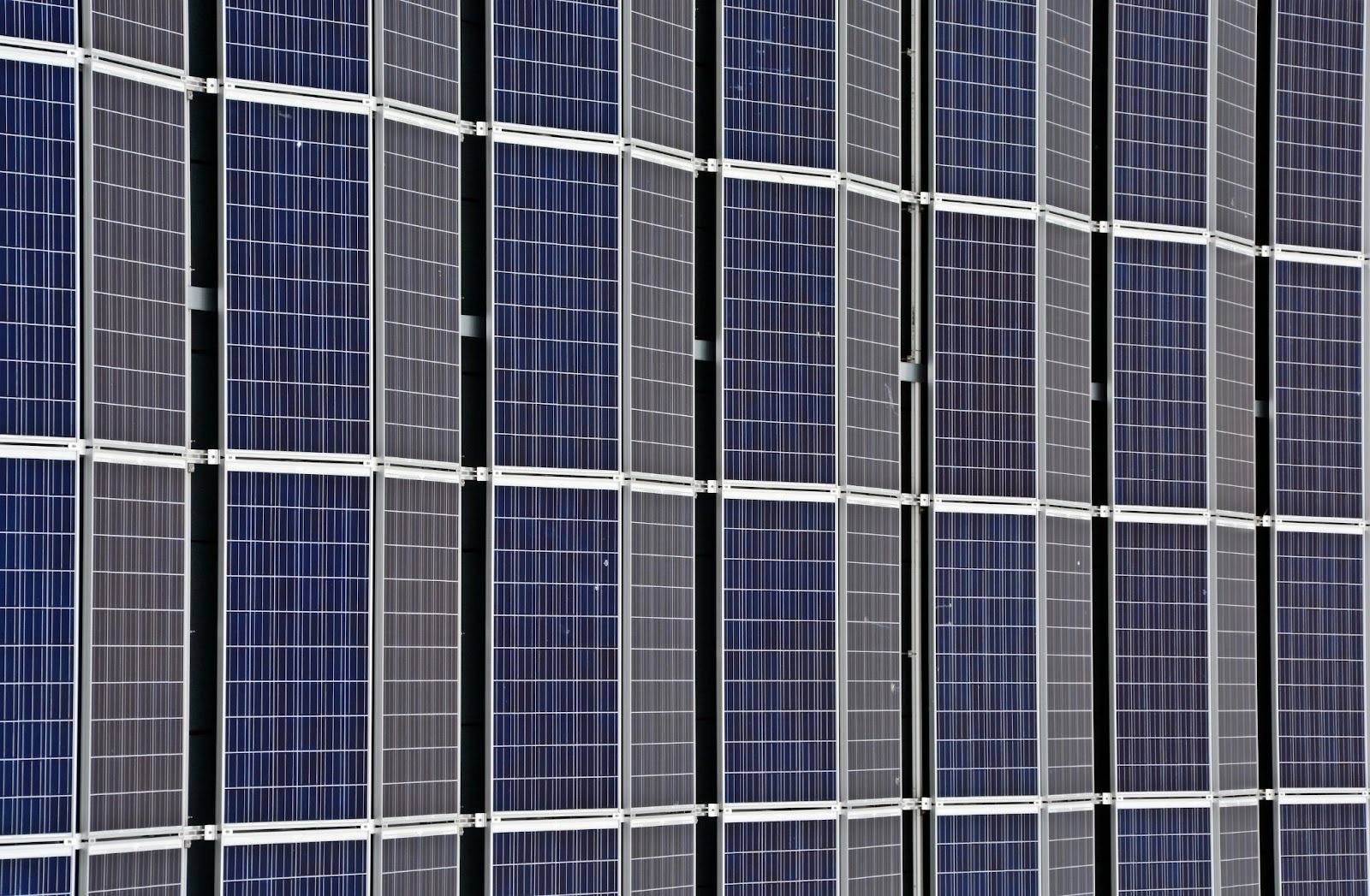
In contexts where battery systems account for a large share of renewable energy costs, their second-life applications can reduce overall system costs by up to 30 percent or more. For a continent that grapples with high cost sensitivity, this is not marginal. It is transformative.
Why Africa Is Uniquely Positioned

Africa’s energy landscape creates a strong case for second-life batteries.
- Large off-grid and weak-grid populations
- Rapid growth in solar uptake
- Strong demand for cost reduction
- Availability of labour that can be trained for diagnostics and refurbishment
Rather than viewing second-life batteries as technological leftovers, Africa can treat them as inputs into a new circular energy industry.
This is not about importing waste. It is about importing value and extending it.
Circular Business Models That Can Unlock Scale
Technology already exists. The real question is commercialisation. For second-life batteries to scale, business models must reduce upfront costs, distribute risk and enable replication.
Three models stand out.
1. Battery as a Service
Under this model, a provider retains ownership of the battery and offers it as a service to users.
The provider handles:
- Testing and diagnostics
- Refurbishment
- Maintenance and monitoring
Users pay for energy storage capacity rather than purchasing the battery outright. This reduces capital barriers and aligns incentives, since providers have a direct interest in maintaining battery health. Battery-as-a-service is particularly suited to:
- Mini grids
- Microgrids
- Small and medium enterprises
It converts a high upfront cost into an operational expense, enabling faster adoption.
2. Utility and Microgrid Integration
Second-life batteries can be integrated directly into community energy systems. In rural electrification projects, they can lower installation costs significantly. For commercial and industrial clusters in remote areas, they can stabilise supply and reduce dependence on diesel generators.
The circular advantage lies in three areas:
- Lower system cost
- Improved grid reliability
- Increased local resilience
Where grid extension is slow or economically unviable, decentralised storage becomes a practical solution.
3. Aggregation and Platform Models
Scale matters. A third model involves aggregating EV batteries through platform mechanisms. This could include:
- Mass importation of EV fleets
- Partnerships with original equipment manufacturers
- Centralised testing and certification hubs
- Use of battery passports for traceability
Aggregation creates economies of scale. It improves predictability of supply and enables standardised testing protocols. In the long term, such platforms could anchor a domestic second-life battery industry, linking importation, refurbishment and redeployment.
Creating Value Across the Life Cycle
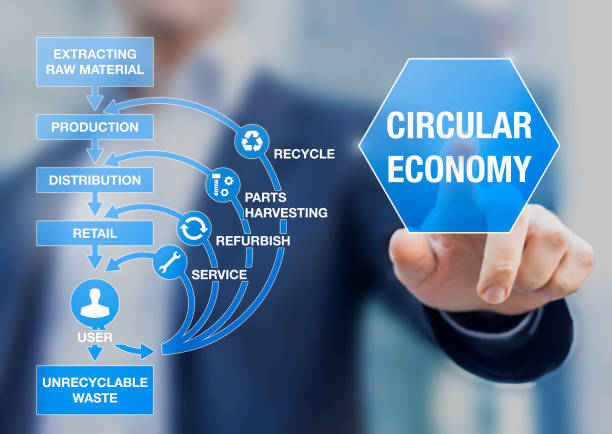
Circular value creation extends beyond repurposing. The full life cycle includes:
- Collection and diagnostics
- Refurbishment and redeployment
- Energy service provision
- Final recycling and material recovery
Each stage creates business opportunities and employment potential. Technicians can be trained in battery diagnostics. Energy managers can oversee decentralised systems. Supply-chain actors can coordinate collection and logistics. When designed intentionally, second-life batteries can support both energy access and industrial development.
Managing Technical and Financial Risks
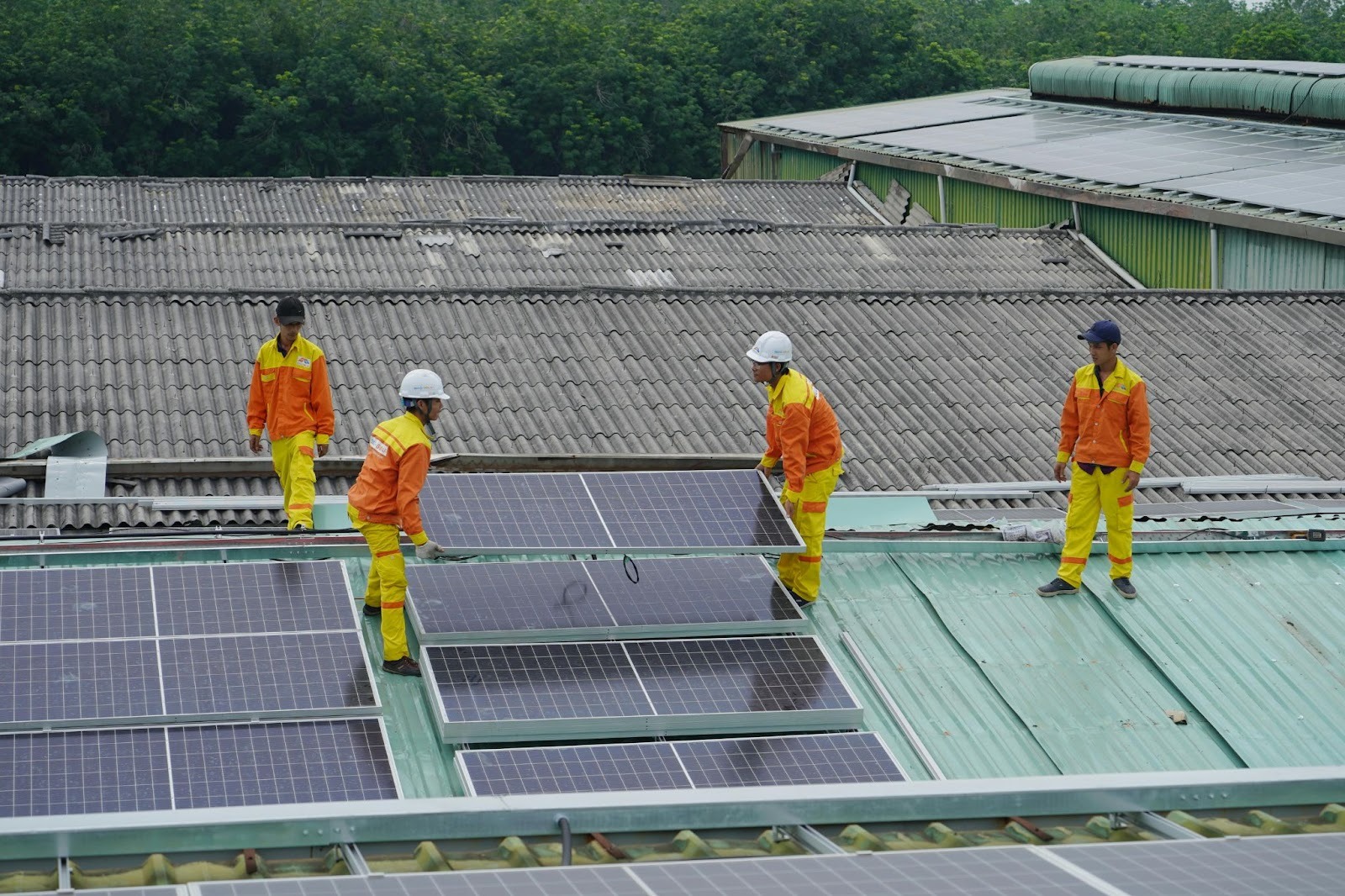
Second-life applications are not without risk.
Technical challenges include:
- Battery degradation variability
- Thermal management in high-temperature environments
- Lack of standardised reuse protocols
The mitigation of these challenges requires:
- Health diagnostics laboratories
- Modular system design
- Safety standards and certification frameworks
- Digital monitoring through IoT technologies
Additional financial risks also matter. These challenges include:
- Limited patient capital
- Perceived technology risk
- Uncertain revenue streams
Therefore, the solutions may include blended finance, performance-linked contracts and pay-as-you-go service models that reduce capital intensity. Risk management must also be embedded from the start, not added later.
The Policy Dimension
The use of second-life batteries cannot scale without supportive policy ecosystems. Therefore, the key enablers include:
- Circular economy frameworks
- Battery reuse and safety standards
- Cross-border regulatory harmonisation
- Extended producer responsibility mechanisms
- Investment in skills and research
Policy alignment ensures that batteries do not become environmental hazards but structured assets within a regulated value chain.
From Waste Narrative to Strategic Asset
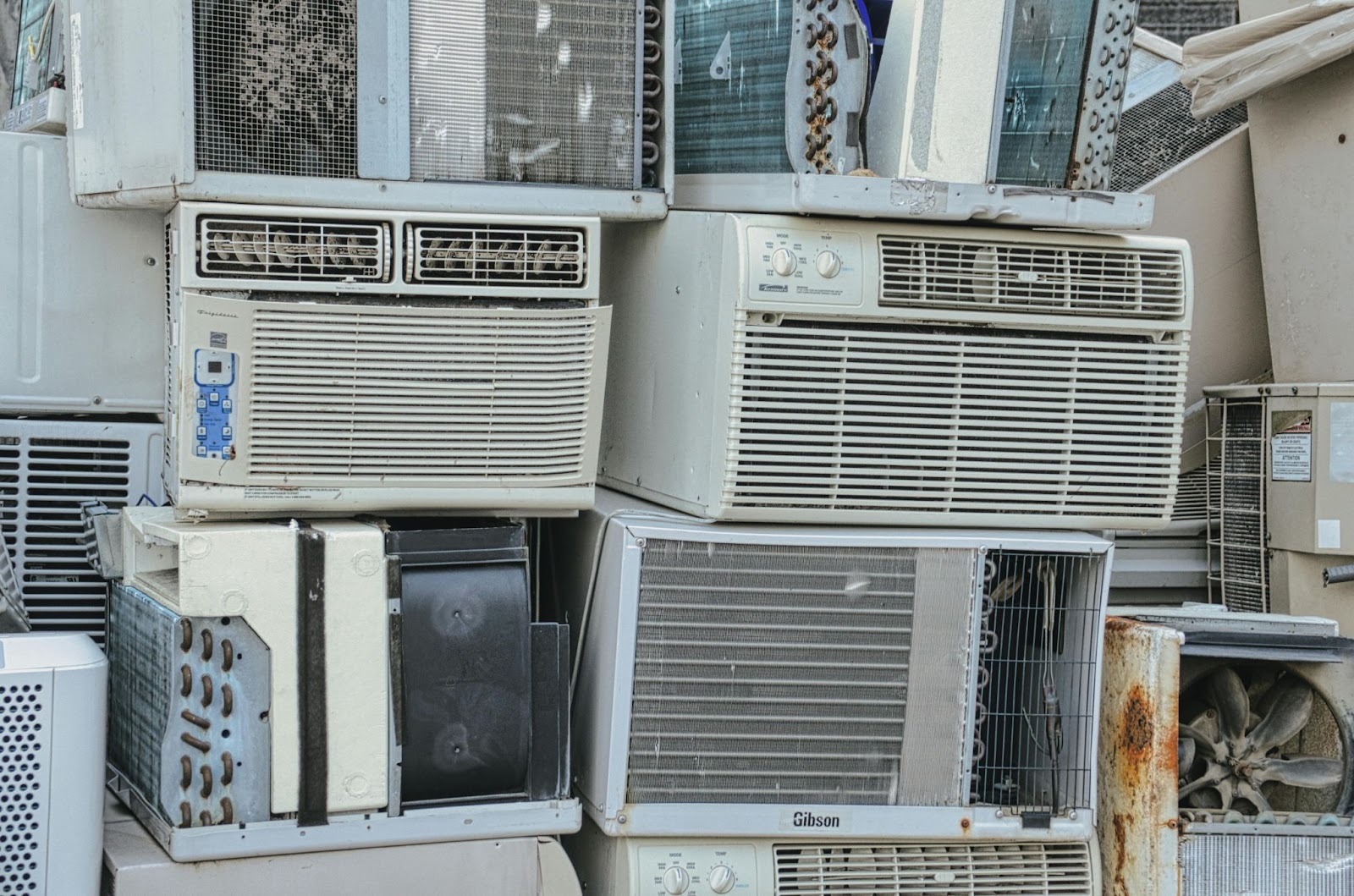
In summary, EV batteries should not be framed as an impending waste crisis. They are strategic energy assets waiting to be redeployed. If circular business models are designed carefully, Africa can reduce energy costs, strengthen grid resilience and create new industrial capabilities.
“Africa has the opportunity not only to adopt circular energy systems, but to lead them.”
From drive to grid, the journey of the battery continues. Thus if managed well, it can power a more resilient and inclusive energy future for the continent.