What If Waste Became the Start of a New Industry?
Across Sierra Leone, old batteries, broken solar panels, damaged inverters, used electronics and discarded vehicle parts are quietly becoming one of the country’s fastest-growing environmental challenges.
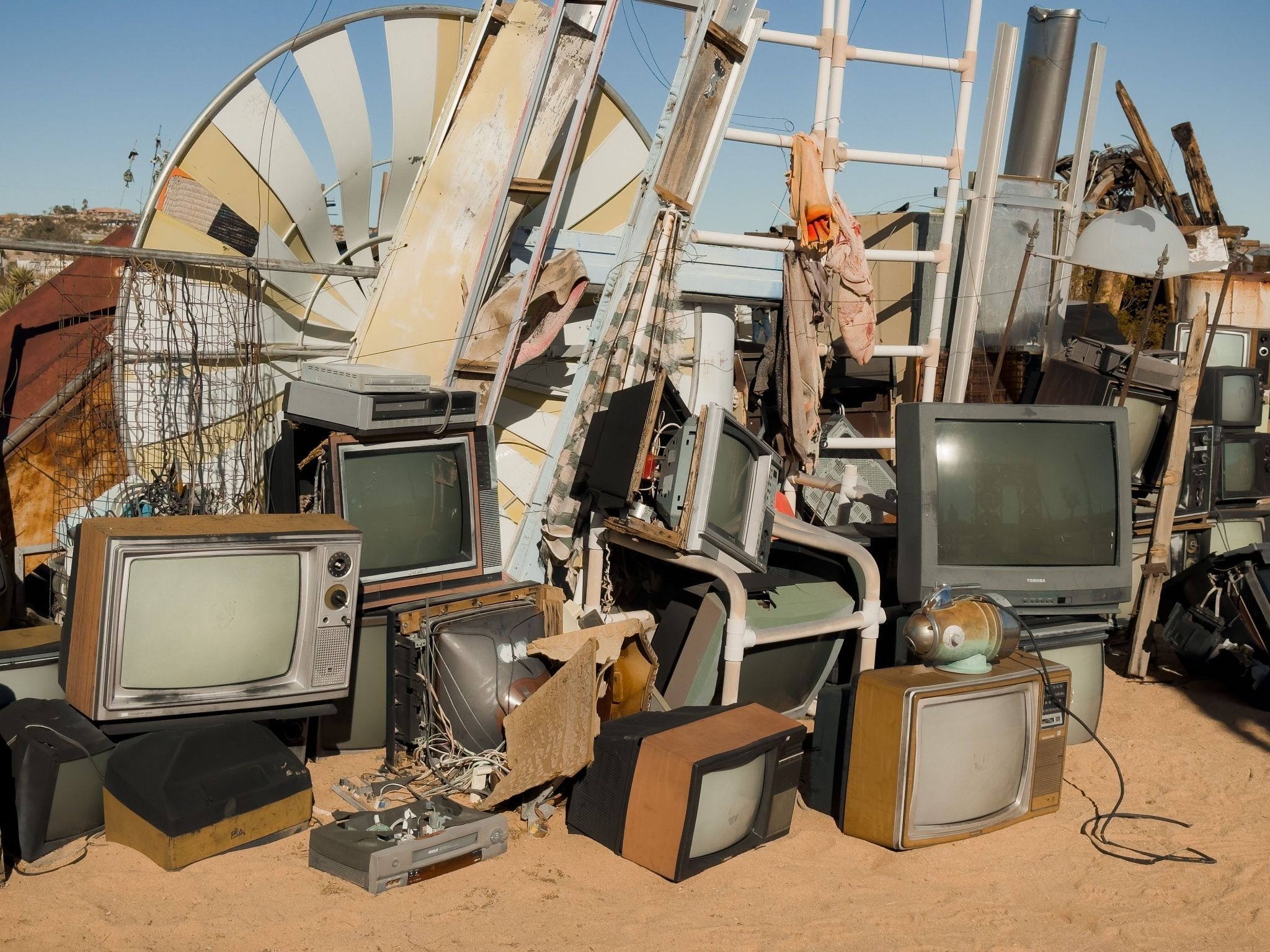
Freetown alone currently generates around 135,000 tonnes of municipal waste, including electronic waste. By 2030, this could rise to 350,000 tonnes. Yet less than 5% of municipal waste is recycled or reused, and Sierra Leone still has no formal e-waste recycling infrastructure.
This is not only a waste problem. It is an economic opportunity waiting to be organised.
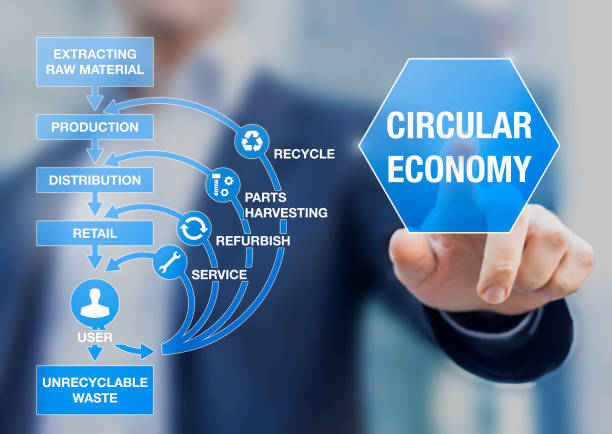
As solar systems, electric vehicles and digital technologies expand, Sierra Leone has a chance to build a new circular economy around repair, diagnostics, refurbishment, recycling and second-life energy systems.
The E-Waste Challenge Is Changing
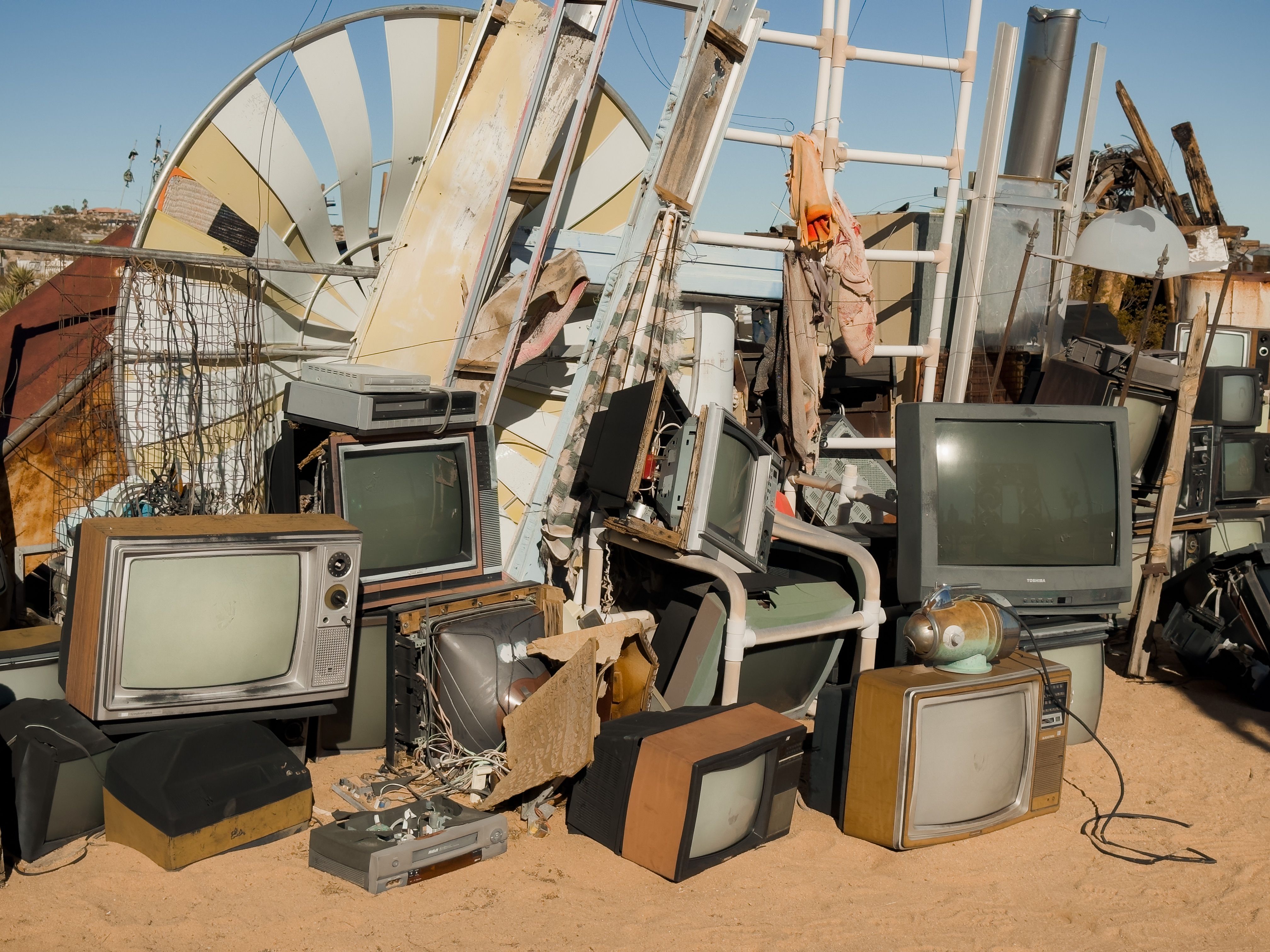
For many years, electronic waste was associated mainly with old computers, phones, televisions and household appliances. That picture is now changing.
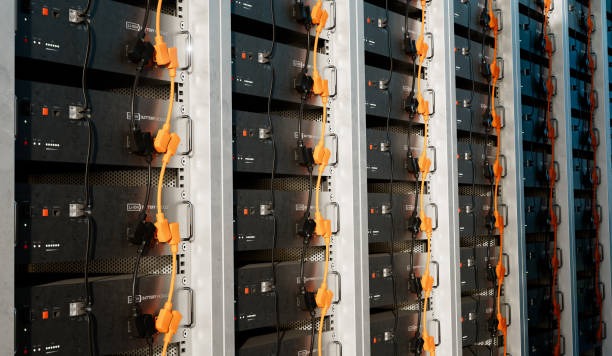
The next wave of e-waste will include:
- Lithium-ion batteries from electric vehicles
- Batteries from solar home systems and mini-grids
- Inverters, controllers and charge regulators
- Electric motors and power electronics
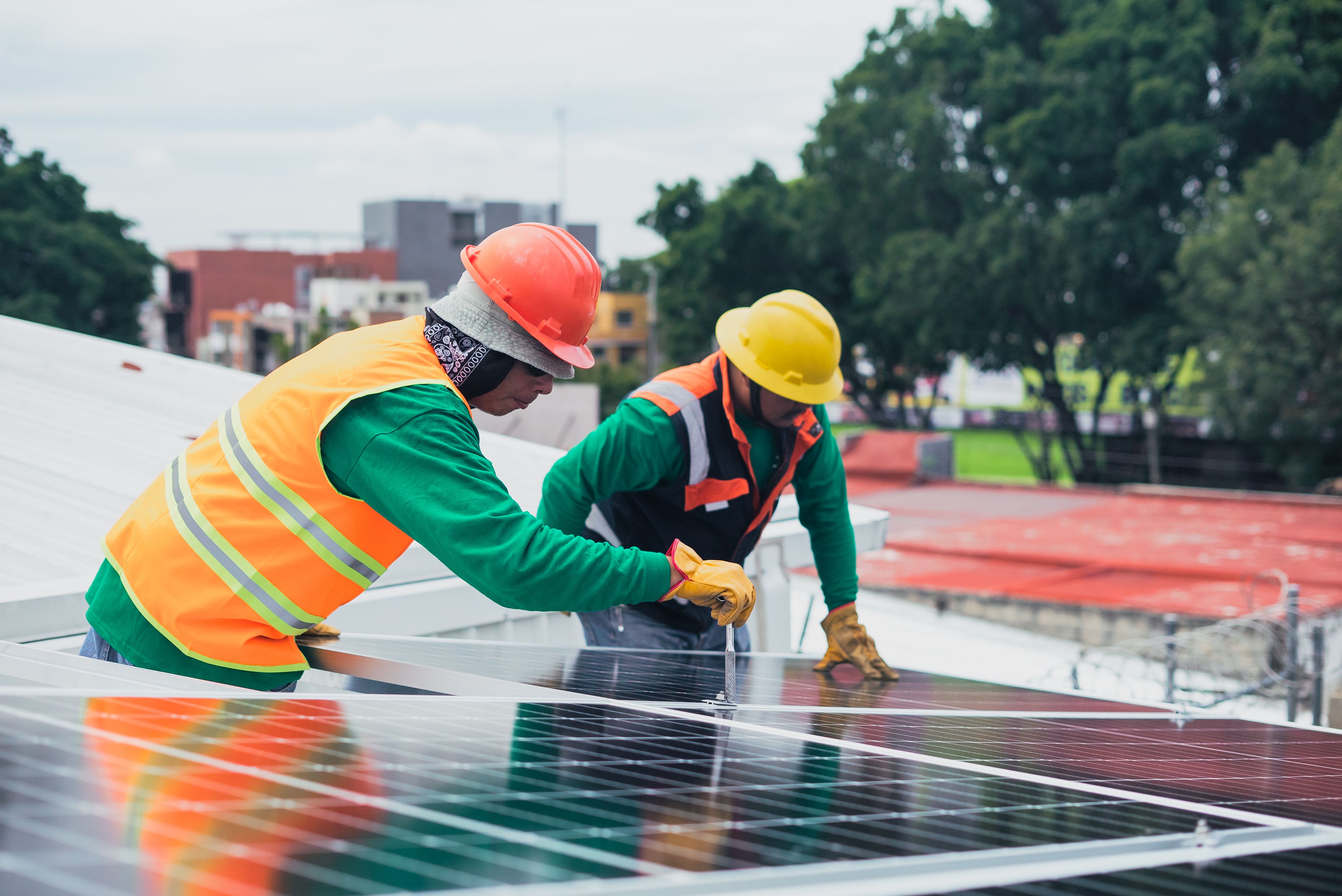
- Damaged or ageing solar PV panels
These materials can create serious risks if poorly managed. Lithium-ion batteries can cause fires. Damaged solar panels may release harmful materials if broken and reused informally. Inverters and motors contain valuable materials, but they require safe dismantling.
Without a formal system, these resources end up in dumpsites. With the right system, they can become the foundation of new green enterprises.
Second-Life Batteries Can Power Rural Communities
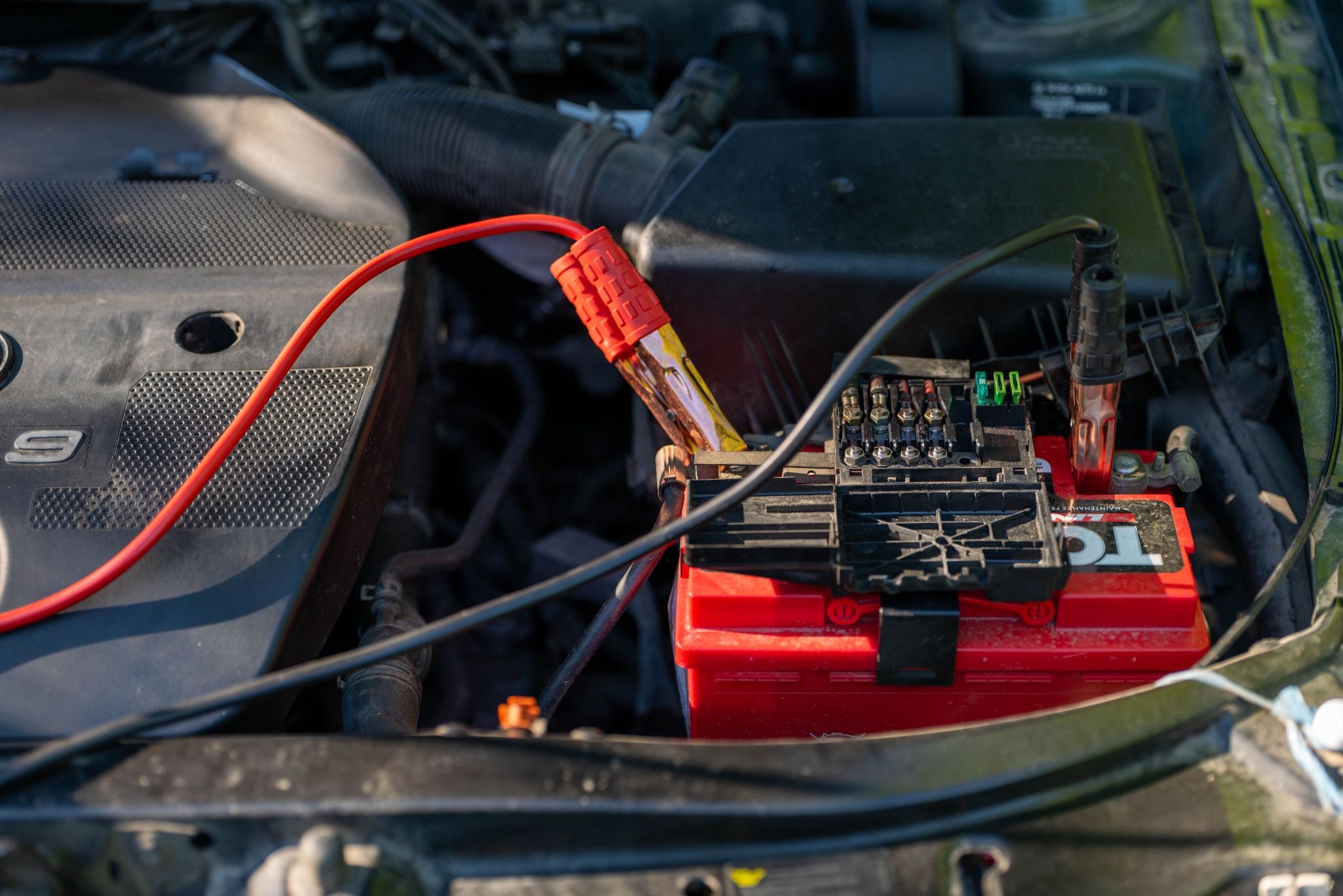
One of the most promising opportunities is the reuse of electric vehicle batteries for stationary energy storage.
A battery that is no longer suitable for a vehicle may still have enough capacity for a second life in a mini-grid, school, health centre, business or community energy system. In Sierra Leone, this is particularly important because rural electrification remains a major challenge.
Second-life batteries could help reduce the cost of mini-grid storage and make electricity more affordable for underserved communities.
This is where the circular economy becomes practical. Instead of importing new components every time a system fails, Sierra Leone can test, refurbish and redeploy components that still have value.
A Local Ecosystem Is Emerging
Encouragingly, Sierra Leone is beginning to develop the partnerships needed to turn this idea into practice.
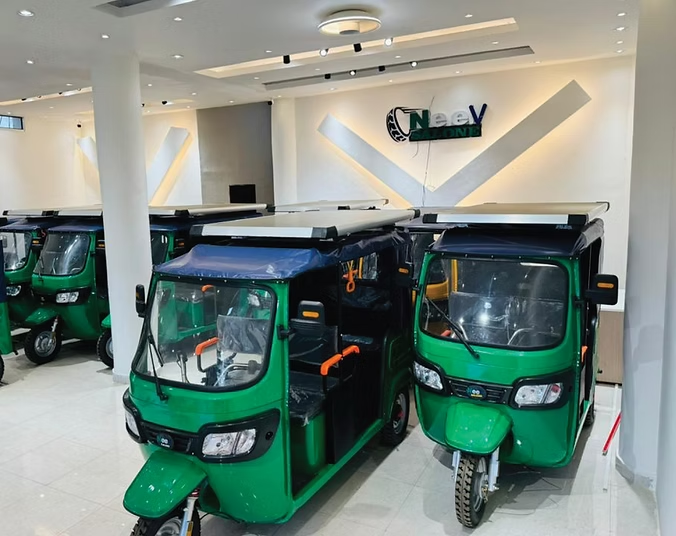
NEEV Salone is emerging as a local source of second-life electric vehicle components, including batteries and power electronics. PowerGen Renewables and Sierra Power Renewable Energy (SL) Ltd have also committed to supporting second-life renewable energy solutions through test sites, data sharing and technical collaboration.
These partnerships matter because e-waste cannot be solved by policy alone. It needs companies, universities, technical institutions and communities working together.
From Skills to Green Jobs
The most exciting part of Sierra Leone’s circular economy opportunity may be jobs.
The EREVETS project, Empowering the Renewable Energy Sector through VET Support in Sierra Leone, is strengthening renewable energy curricula and Training of Trainers programmes. It is projected to contribute to over 30,000 youth job opportunities across the renewable energy value chain, including structured e-waste management.
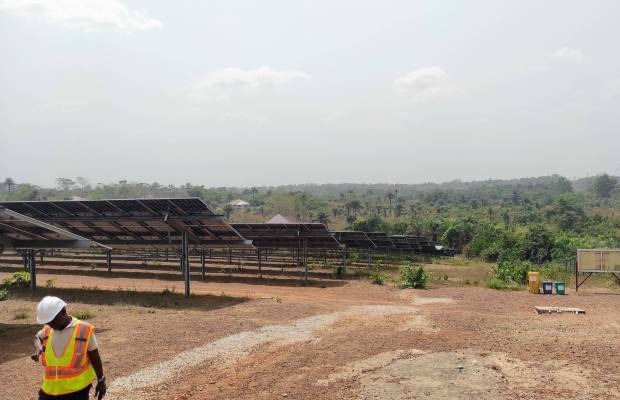
Future job roles could include:
- Battery technicians
- E-waste diagnosticians
- Refurbishment specialists
- EV servicing technicians
- Recycling operators
- Mini-grid maintenance technicians
This is how waste becomes enterprise. It creates livelihoods while solving environmental and energy access challenges.
Circular Innovation Needs the Right Infrastructure
Sierra Leone also needs physical and institutional infrastructure to support this transition.
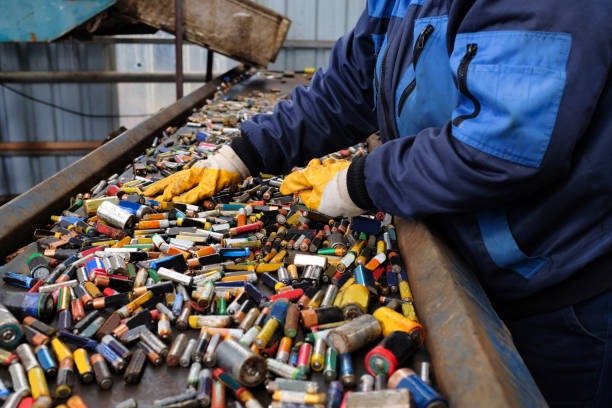
The Salone Off-Grid Renewable Energy Acceleration project is laying foundations for solar e-waste management through proposed take-back mechanisms, refurbishment hubs, safe dismantling standards and regulatory development.
A proposed e-waste management centre in Masiaka could become a major step towards a safer and more structured system.
The UNDP-Samsung Youth Circularity 2030 Initiative also offers a strong opportunity by supporting youth-led circular economy innovation, including a proposed Circular Innovation Lab at Fourah Bay College, University of Sierra Leone.
Together, these initiatives can help move Sierra Leone from informal waste handling to a structured circular economy.
The Triple Dividend
Done well, this transition can deliver three major benefits.
Cleaner transport
Electric vehicles reduce emissions and create recoverable components at end of life.
Stronger rural electrification
Second-life batteries and refurbished components can support mini-grids in underserved communities, schools, hospitals and businesses.
Youth economic empowerment
Circular economy skills can create new jobs in diagnostics, repair, refurbishment and recycling.
This triple dividend shows why e-waste should not be treated only as a threat. It should be treated as a development opportunity.
What Needs to Happen Next?
Sierra Leone can act now by focusing on three priorities. First, the government should accelerate e-waste regulations covering lithium-ion batteries, solar PV and electric vehicle components. Extended Producer Responsibility should be introduced so that importers and producers share responsibility for end-of-life management.
Second, development partners should support second-life battery assembly, refurbishment labs and reverse logistics systems that reach beyond Freetown into rural areas.
Third, private sector actors should formalise data-sharing agreements with research institutions and commit to take-back or buy-back arrangements for end-of-life assets.
From Waste Burden to Circular Opportunity
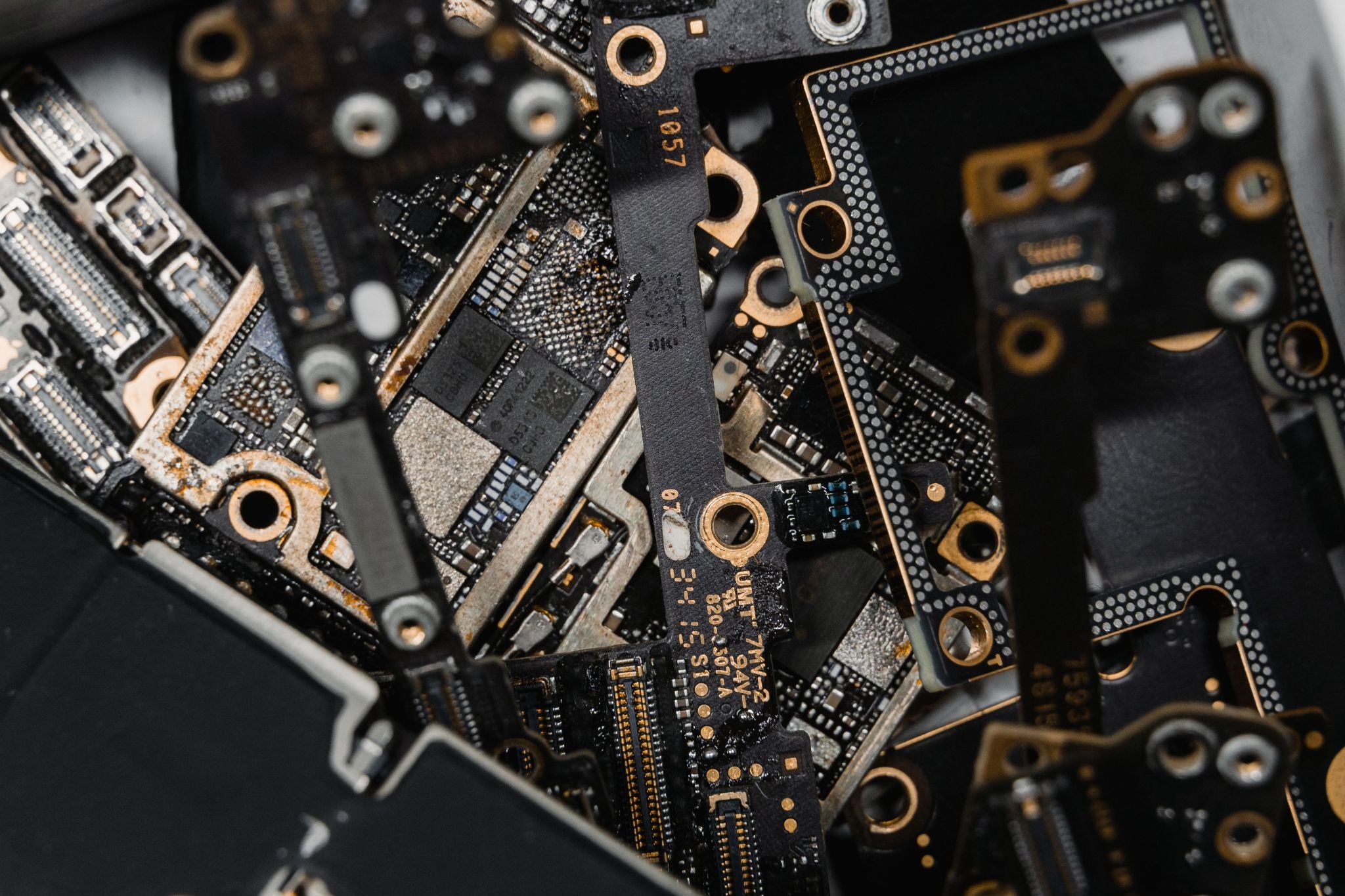
Sierra Leone does not need to wait until e-waste becomes an uncontrollable crisis. The country can build a circular energy economy now, one that protects the environment, powers rural communities and creates jobs for young people. The question is no longer whether e-waste is a problem. It is whether Sierra Leone can organise the systems, skills and partnerships needed to turn that problem into enterprise.
If it can, discarded batteries and broken panels may become more than waste. They may become the building blocks of Sierra Leone’s next green economy.