Circularity Is Not New to Africa

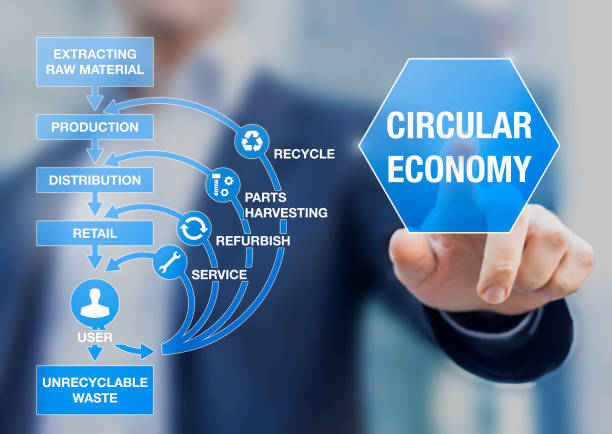
Across Africa, the language of circular economy is gaining momentum. It is often presented as a modern solution to modern problems. Yet, circularity is not foreign to African societies. It is not a recent import. It is part of our heritage.
For generations, African communities have repaired, reused, repurposed and regenerated materials out of necessity and wisdom. Objects were rarely discarded without exploring a second or third life. Waste was minimised not because of climate policy, but because resources were precious.
Today, circular energy systems build on that foundation. They do not introduce a new philosophy. They evolve an existing one.
The difference lies in scale, technology and coordination.
Energy Poverty and the Case for Circular Microgrids
More than 600 million people in sub-Saharan Africa still lack reliable access to electricity. Rural communities remain disproportionately affected. Without power, schools struggle, clinics operate under strain and economic opportunity is limited.
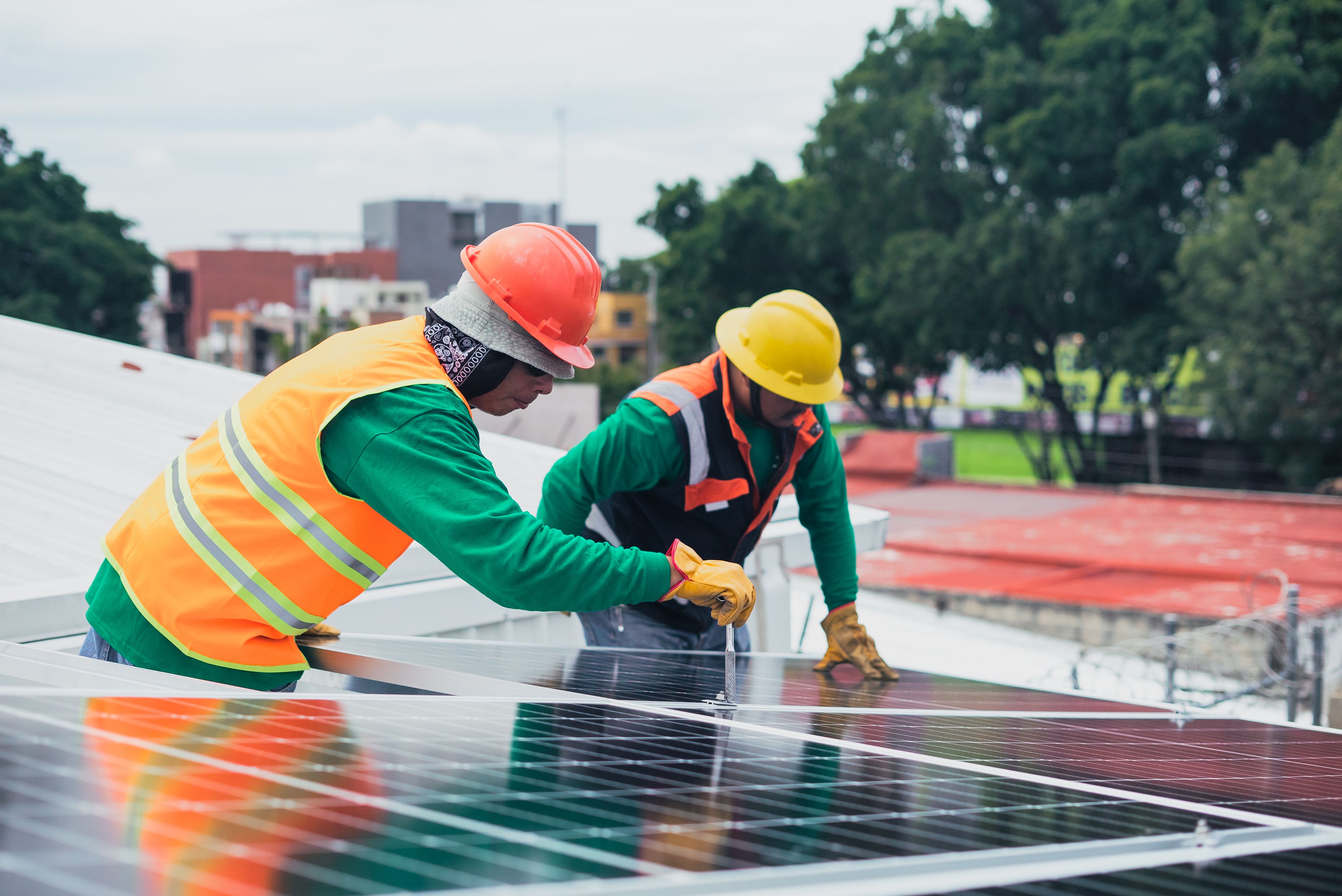
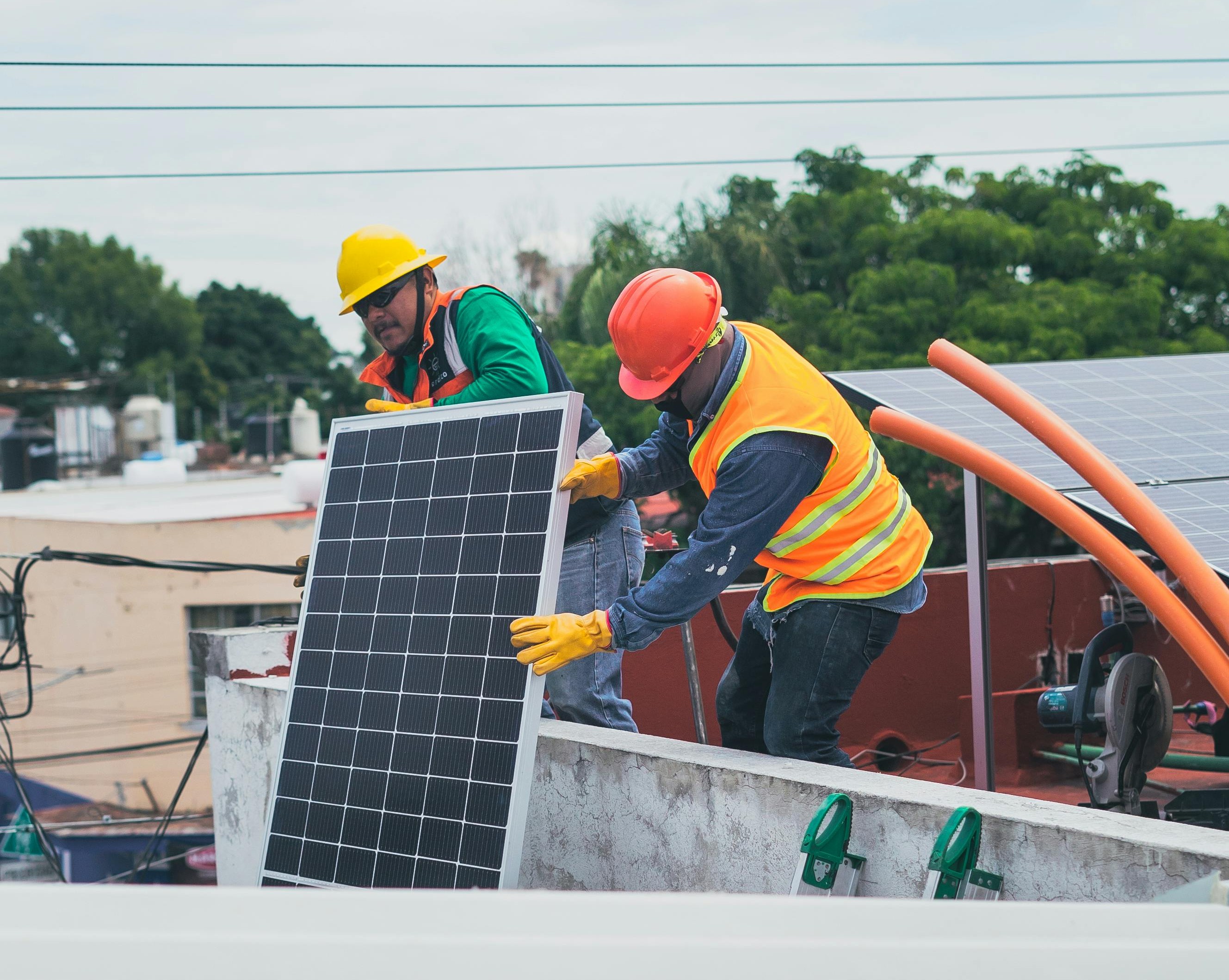
Circular microgrids offer a pathway forward. These decentralised systems combine renewable energy with repurposed components, including batteries from electric vehicles that have reached the end of their first life. Instead of treating such components as waste, we extend their usefulness to power communities.
This approach aligns environmental responsibility with social need. It reduces waste, lowers costs and increases access.
But technology alone does not guarantee transformation.
Inclusion Must Be at the Centre

If circular energy systems are to succeed, people must be placed at the centre of innovation.
Inclusion is not a decorative add-on. It is a structural requirement.
When communities are meaningfully involved, three important shifts occur:
- Inclusive decision-making
Communities articulate their own priorities. Power relations are understood. Representation of women, youth and marginalised groups is considered from the beginning. - Participatory action
Innovation is designed with communities, not for them. Local knowledge is respected. Research incorporates community perspectives before implementation begins. - Long-term engagement
Partnerships extend beyond data collection or pilot phases. Collaboration builds trust, capacity and eventually ownership.
Without these elements, even technically sound projects risk rejection or collapse.
Inclusion strengthens acceptance and ensures longevity.
From Token Participation to Genuine Leadership
In many rural contexts, participation can easily become symbolic. True inclusion requires deliberate effort.
Communities are not homogeneous. Cultural norms differ. Gender roles vary. Youth voices are not always heard.
Effective inclusion begins with mapping the community fabric:
- Who holds influence?
- Who is excluded from decision spaces?
- What are the social networks at play?
- What do people value most?
For women and marginalised groups, safe and culturally appropriate spaces are often necessary to build confidence and leadership capacity. Empowerment must be practical and context-sensitive. It cannot rely on universal templates.
In some communities, joint training of men and women works well. In others, targeted engagement strategies are more effective. The goal is not representation for numbers alone. The goal is meaningful participation.
Circular Value Chains and Local Economies
Circular energy systems should not extract value from communities. They should generate value within them.
Inclusive value chains are critical. They create opportunities for entrepreneurship, skills development and livelihood enhancement.
In the tourism sector, which I have studied extensively, communities participate in various stages of value creation, from production to service delivery. The same principle applies to circular energy systems.
Questions we must ask include:
- Can local enterprises participate in assembly or maintenance?
- Are there opportunities for youth-led innovation?
- How can women integrate into supply chains?
- What economic value remains in the community?
Circularity is not only about environmental efficiency. It is about equitable economic participation.
When innovation drains communities of time and resources without lasting benefit, it fails. When it builds capacity and generates opportunity, it succeeds.
Policy as a Structural Lever
If there is one structural change that could make inclusion and circularity the norm rather than the exception, it is coherent national strategy.
Circular economy principles cut across ministries. Energy, environment, mining, agriculture and industry are interconnected. Without coordinated policy frameworks, efforts remain fragmented.
Many African countries are experimenting with circular initiatives, yet formal national strategies remain limited. Clear policy direction would:
- Provide regulatory clarity
- Encourage investment
- Align sectors
- Support inclusive implementation
Circularity should not be treated as a trend. It should be embedded in governance structures.
Bridging Tradition and Modern Technology

Modern technologies such as electric vehicle batteries or advanced power electronics may be new to many communities. Yet the principle behind their reuse is familiar.
The concept evolves. The materials change.
The challenge is to educate, engage and contextualise. Communities must understand that repurposing a battery for a microgrid is an extension of long-standing practices of renewal and regeneration.
This bridge between tradition and innovation strengthens legitimacy and trust.
Towards Equitable Energy Futures
Circular energy is not simply a technological advancement. It is a pathway toward equitable development.
If responsibly implemented, Africa can lead in sustainable models that integrate:
- Environmental integrity
- Economic viability
- Social inclusion
Circular microgrids demonstrate that energy transition can align with community empowerment rather than bypass it.
Innovation becomes impact when it is embedded in institutions, embraced by communities and supported by policy.
Circularity in Africa is not about imitation. It is about evolution. And inclusion is what ensures that evolution benefits all.