The Human Side of the Energy Transition
The shift to clean energy in Africa is not only a technical or financial challenge. It is, at its core, a human one. Across the continent, governments, innovators and communities are working to expand access to electricity through renewable solutions such as solar microgrids, wind power and repurposed electric-vehicle technologies. Yet technology alone cannot deliver transformation.
To achieve universal, sustainable energy access, we must first understand how people think, decide and act.
“Clean energy adoption is not just about affordability. It is about perception, trust and the way people make decisions.”
The Three Traps That Hold Us Back

In behavioural economics, many policies fail not because they are poorly designed, but because they fall into what Banerjee and Duflo, winners of the Nobel Memorial Prize in Economic Sciences in 2019 call the three I’s trap: Ideology, Ignorance and Inertia.
- Ideology blinds experts who assume technical superiority will automatically translate into adoption.
- Ignorance limits funders or aid organisations who overlook local contexts.
- Inertia slows policymakers who postpone decisions or rely on outdated systems.
Recognising these traps allows us to design smarter, more responsive interventions that align with real human behaviour rather than idealised assumptions.
Income Isn’t Everything
A common simplification is that energy choices depend purely on income. If people can afford solar panels or electric cookers, they will buy them. Reality is far more nuanced.
Human decision-making is shaped by attitudes, risk perception, social influence and trust. In many African contexts, even when people can afford a renewable option, uncertainty about performance, maintenance or social acceptance can prevent adoption.
In one study we conducted in Lagos, rural consumers prioritised community ownership of mini-grids, while urban consumers valued uninterrupted power and flexible payments. The same technology meant different things to different people.
“Consumers are not just buyers of electricity; they are active participants in shaping the energy future.”
Circular Microgrids and Behavioural Insight
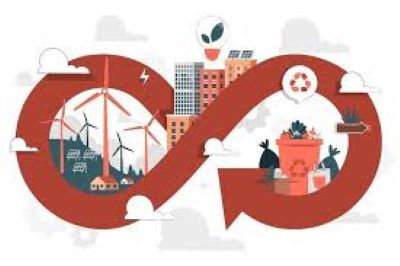
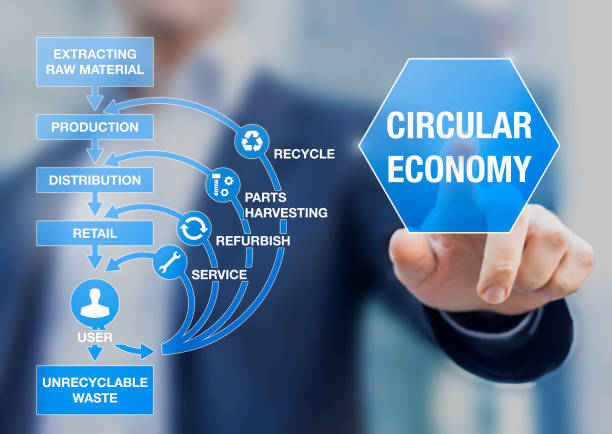
At the Circular Economy Powered Renewable Energy Centre (CEPREC), we are developing circular microgrids that repurpose end-of-life electric-vehicle components which includes; batteries, converters and motors to provide low-cost, reliable electricity.
But engineering excellence must meet behavioural understanding. The success of these systems depends on whether households and communities trust the technology, perceive value, and feel ownership of the solution.
That is why we combine social-science methods such as surveys, focus groups and choice-modelling, with engineering innovation. By mapping preferences, awareness and risk perception, we can design energy systems that people truly want and use.
Nudging Towards Sustainable Choices
Policy and market incentives alone are not enough. Behavioural insights show that information and framing can dramatically influence energy behaviour.
- Feedback and comparisons: Showing households how their energy use compares to similar homes encourages efficiency.
- Positive reinforcement: Simple visual feedback, such as an app notification celebrating energy-saving behaviour—builds long-term habits.
- Targeted messaging: Tailored communication that addresses trust, reliability and cost transparency helps overcome scepticism about renewables.
These “nudges” are low-cost but powerful tools to promote sustainable choices without restricting freedom.
Towards Behaviour-Smart Energy Policy
Africa’s energy transition cannot rely solely on imported models or assumptions. We must design policies that reflect local perceptions, cultural values and decision patterns.
That means:
- Integrating behavioural data into national energy planning.
- Supporting local institutions to design community-centred energy programmes.
- Building public trust through transparency and participation.
When people understand and believe in the change, adoption follows naturally.
The Power of Perception
From Nigeria to Rwanda, Kenya to Namibia, one message is clear: technology may generate power, but people generate progress.
If we can turn perception into power by understanding how consumers think and behave, we can accelerate Africa’s clean energy journey, ensuring it is not only renewable, but truly inclusive.