Africa Does Not Lack Energy Potential. It Lacks Connected Systems.
Across Africa, the energy transition is gaining momentum. Governments, investors, entrepreneurs and researchers are all working to expand access to cleaner and more reliable energy. Solar home systems, mini-grids, electric mobility, battery storage and circular economy innovations are moving from concept to implementation.

Yet one major challenge remains: too many efforts still operate in silos.
Africa has abundant renewable energy resources. What is often missing is not ambition, but coordination. Policy, finance, research, technology development and community engagement are frequently disconnected. The result is slow deployment, duplicated effort and solutions that do not always fit local realities.
If Africa’s energy transition is to scale, collaboration cannot be treated as an optional add-on. It must become a strategic capability.
The Energy Transition Is a Systems Problem
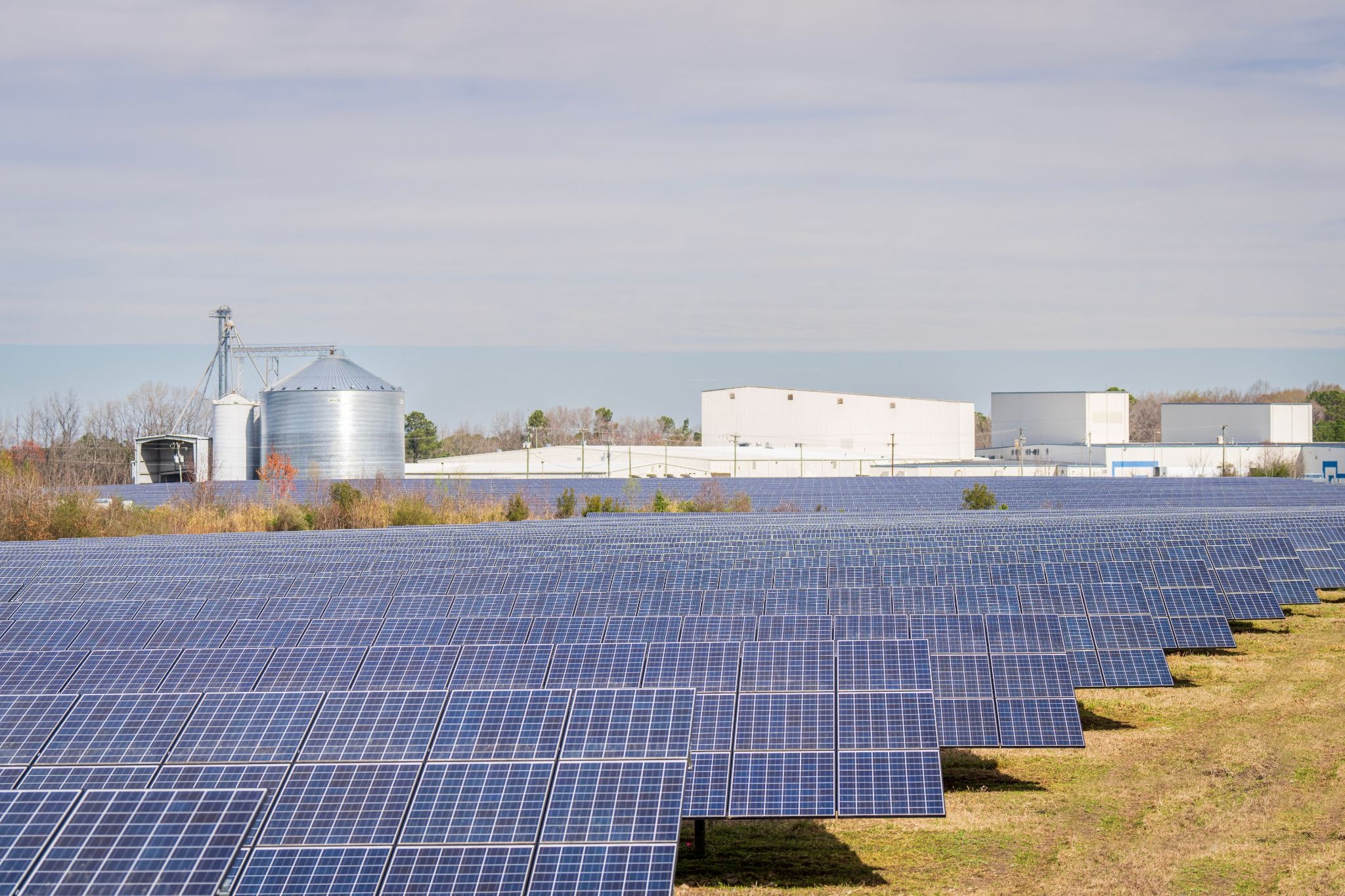
More than 600 million people across Africa still lack reliable access to electricity. At the same time, energy demand is rising because of population growth, urbanisation and the expansion of peri-urban communities.
Traditional energy models are often centralised, capital-intensive and slow to deploy. They depend on large infrastructure projects that may take years to plan, finance and deliver. These models are important, but they are not enough.
Africa also needs systems that are:
- Modular
- Scalable
- Locally adaptable
- Circular by design
This means building smaller, flexible energy systems that can grow over time, respond to community needs and make better use of existing resources. Solar mini-grids, battery storage units and decentralised renewable systems can all play a role.
But technology alone will not solve the problem.
Why Collaboration Matters
No single actor has all the knowledge, resources or authority needed to transform Africa’s energy systems.

Universities generate evidence and develop skills. Businesses build and deploy solutions. Governments create the policy environment that allows innovation to scale. Communities provide the local knowledge that determines whether a solution will be accepted, protected and sustained.
When these actors work separately, progress is slow. When they work together, innovation becomes more practical, policy becomes more grounded and investment becomes less risky.
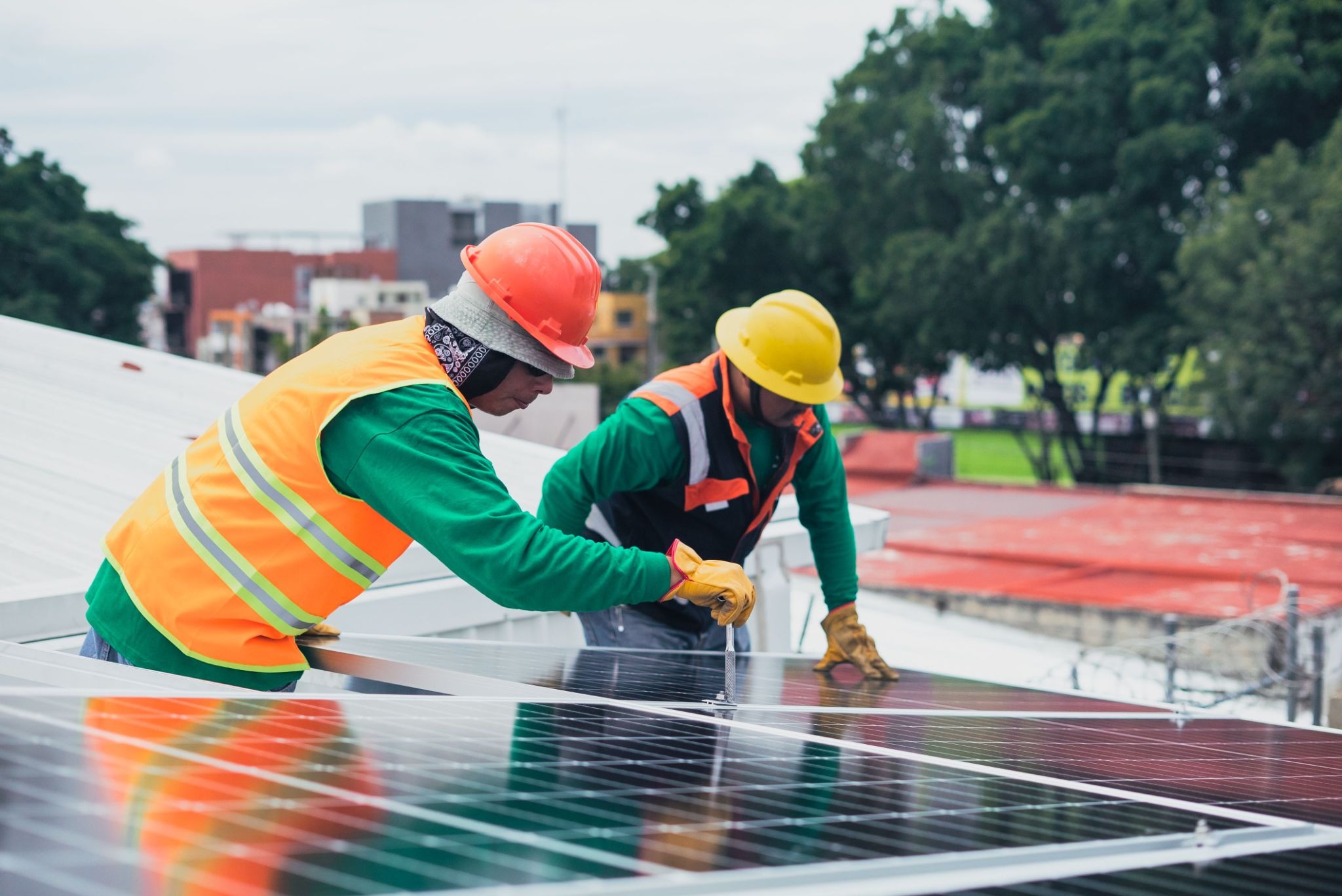
Strategic collaboration helps unlock four things:
- Innovation acceleration
Global expertise can be combined with local application. - Policy alignment
Governments can make decisions based on evidence rather than assumptions. - Capacity building
Engineers, entrepreneurs, policymakers and communities gain the skills to sustain new systems. - Risk reduction
Shared knowledge and shared responsibility reduce the likelihood of failed projects.
Moving from Consultation to Co-Creation
Many development and energy projects fail because communities are treated as end users rather than co-designers.
A solution is designed elsewhere, deployed locally and then expected to work. But if people are not consulted, if their priorities are not understood and if ownership is not built from the start, even technically sound systems can fail.
Real collaboration moves through stages:
- Inform people about what is planned.
- Consult them to understand their views.
- Involve them in shaping the process.
- Collaborate with them in delivery.
- Empower them to make decisions and sustain the system.
This shift is essential. Energy systems are not just technical assets. They are social systems that depend on trust, behaviour, maintenance and local ownership.
The Triple Helix: A Model for System-Level Change
One useful way to think about collaboration is the Triple Helix model, which connects academia, industry and government.
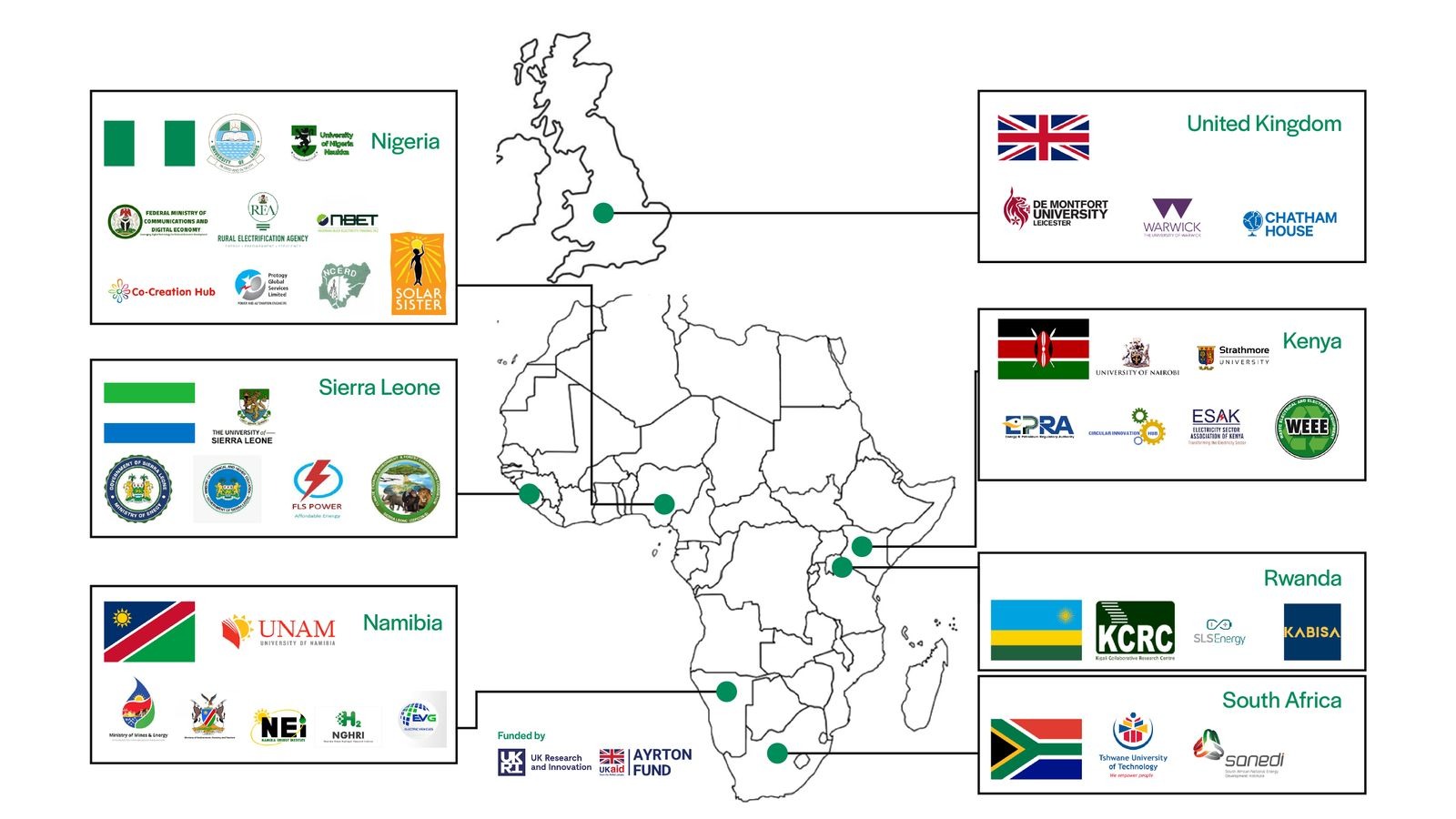
In this model:
- Academia develops knowledge, evidence and skills.
- Industry builds, tests and scales practical solutions.
- The government creates enabling policies, standards and incentives.
When these three groups work together, they can move beyond isolated projects and build an ecosystem for long-term transformation.
For circular and renewable energy, this matters because the goal is not simply to install equipment. The goal is to create systems that can be maintained, adapted, financed, reused and scaled.
Local Context Plus Global Expertise
One of the strongest lessons from energy projects across Africa is that imported solutions rarely work well without local adaptation.
Global expertise can be valuable, but it must be combined with local intelligence. This includes data from communities, insight from local businesses, understanding from policymakers and technical knowledge from local engineers.
The relationship should also flow both ways. Local expertise is not secondary. African innovators, researchers and communities are already developing practical solutions under complex conditions. These insights should shape global thinking, not simply receive it.
Sustainable energy solutions emerge when global knowledge and local expertise meet as equals.
Collaboration in Practice
A practical example comes from work with Ceesolar, a fast-growing Nigerian electric vehicle assembly company. Through strategic collaboration, the company is able to access engineering modelling expertise, digital twin scenarios, facility optimisation support and business model insight.
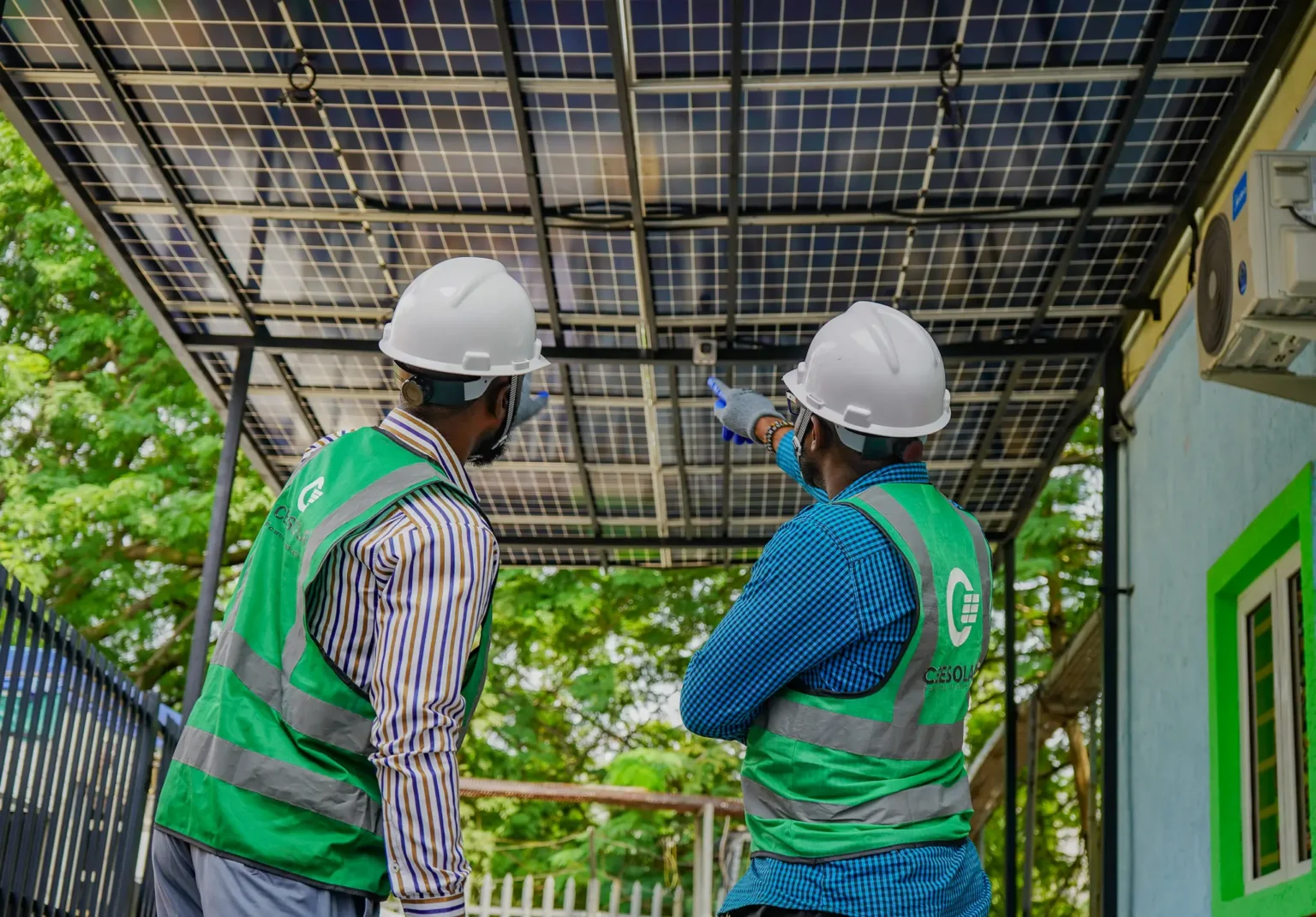
This type of collaboration reduces risk for innovators. It helps businesses make better scaling decisions and strengthens the evidence base for policy and investment.
The wider lesson is clear: when industry, universities and policy actors work together, innovation moves faster and becomes more grounded.
Building Partnerships That Last
Strategic partnerships do not happen by accident. They must be built deliberately.
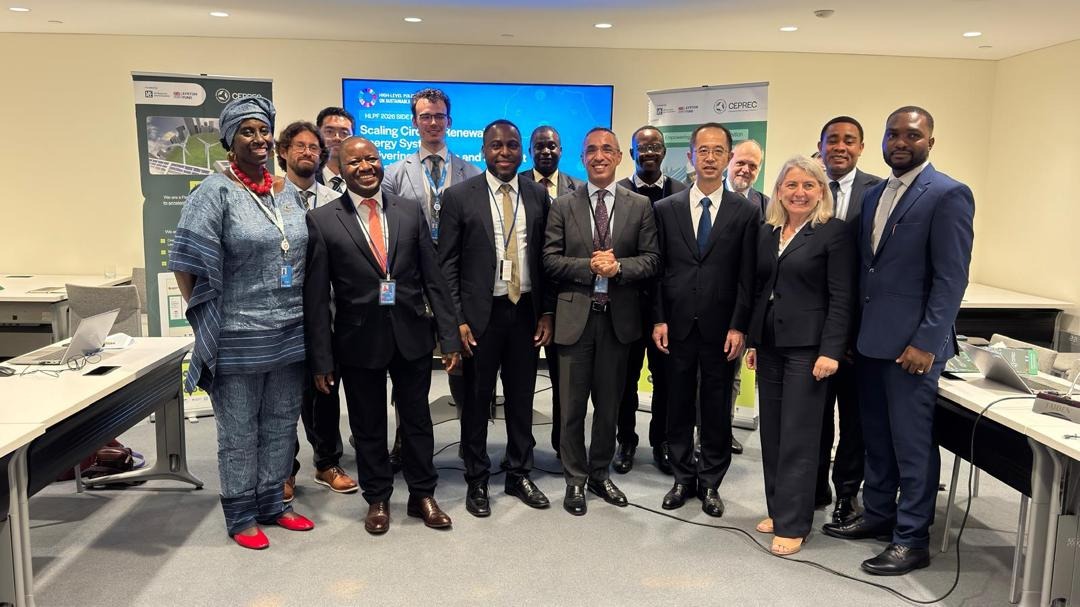
The first step is alignment. Partners need shared priorities. A company, ministry, university or community organisation may be influential, but if its priorities do not align with the project, collaboration will struggle.
The second step is co-creation. Partners should design solutions together, not simply endorse decisions already made.
The third step is coordinated implementation. Roles, responsibilities and communication channels must be clear.
The final step is scaling. Successful partnerships learn, adapt and expand impact over time.
This is why relationship-building matters. Some partnerships emerge from years of trust, previous projects and informal networks. Rushing collaboration only when a project deadline is near can close doors rather than open them.
What Leaders Should Take Away
Africa’s energy transition will not be built by isolated projects.
It will be built through coordinated ecosystems where knowledge is shared, innovation is adapted, finance is aligned and communities are active participants.
For leaders in government, business, academia and civil society, three lessons stand out:
- Collaboration is a strategic capability, not a soft activity.
- Systems thinking is essential for scalable impact.
- Local context and global expertise must work together.
The future of Africa’s energy transition will not be built in silos.
It will be built through systems.