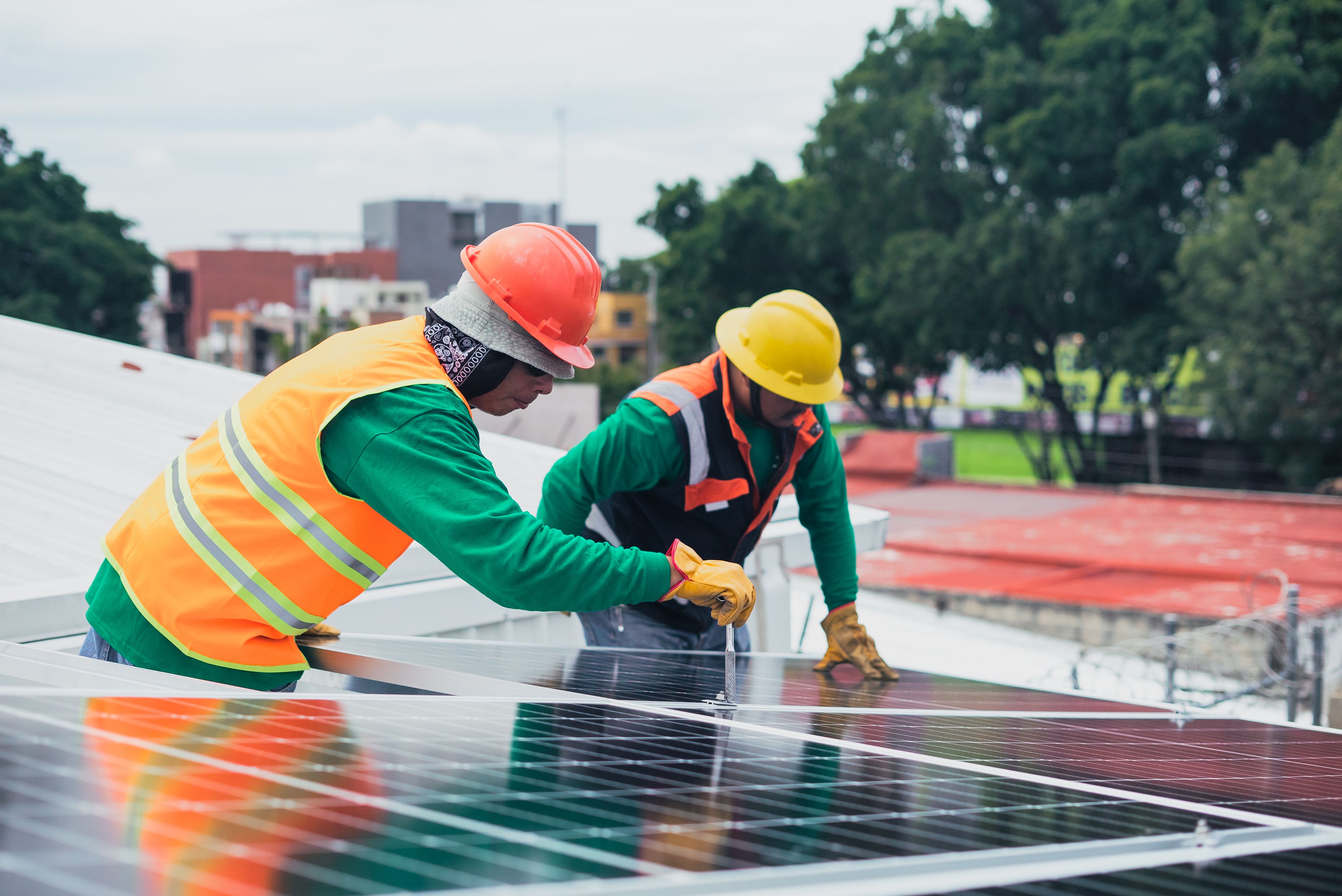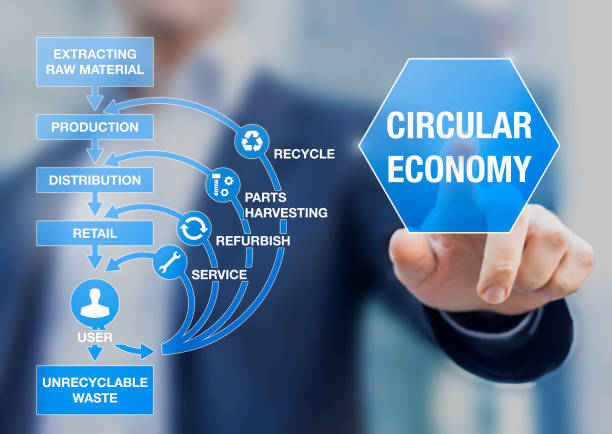
As the demand for clean and reliable energy continues to grow across Africa, there is increasing recognition that achieving sustainable energy access requires more than generation alone. Energy systems must also be resilient, affordable, and designed with long-term performance in mind. At CEPREC, this challenge is being addressed through research that integrates circular economy principles into renewable energy systems.
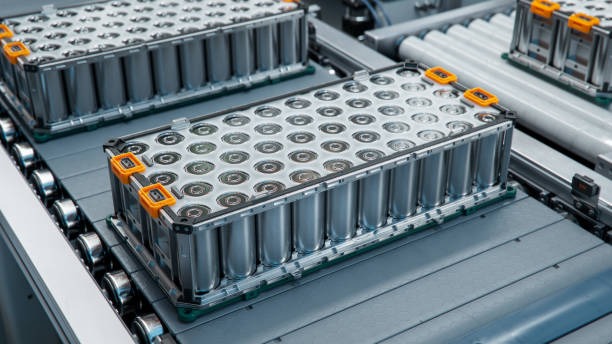
One key area of focus is the repurposing of retired electric vehicle (EV) batteries for use in energy storage. As electric mobility expands globally, a growing number of EV batteries are reaching the end of their first life. While these batteries may no longer meet the performance requirements of vehicles, many still retain significant capacity that can be utilised in less demanding applications, such as stationary energy storage.
Understanding Second-Life Battery Potential
Ritah Kayesu’s research, under Work Package 2 (WP2), explores how retired EV batteries can be safely and effectively repurposed to support microgrid applications. Microgrids are increasingly being deployed to provide electricity access in underserved and remote communities, yet their reliability often depends on the availability of robust energy storage solutions.
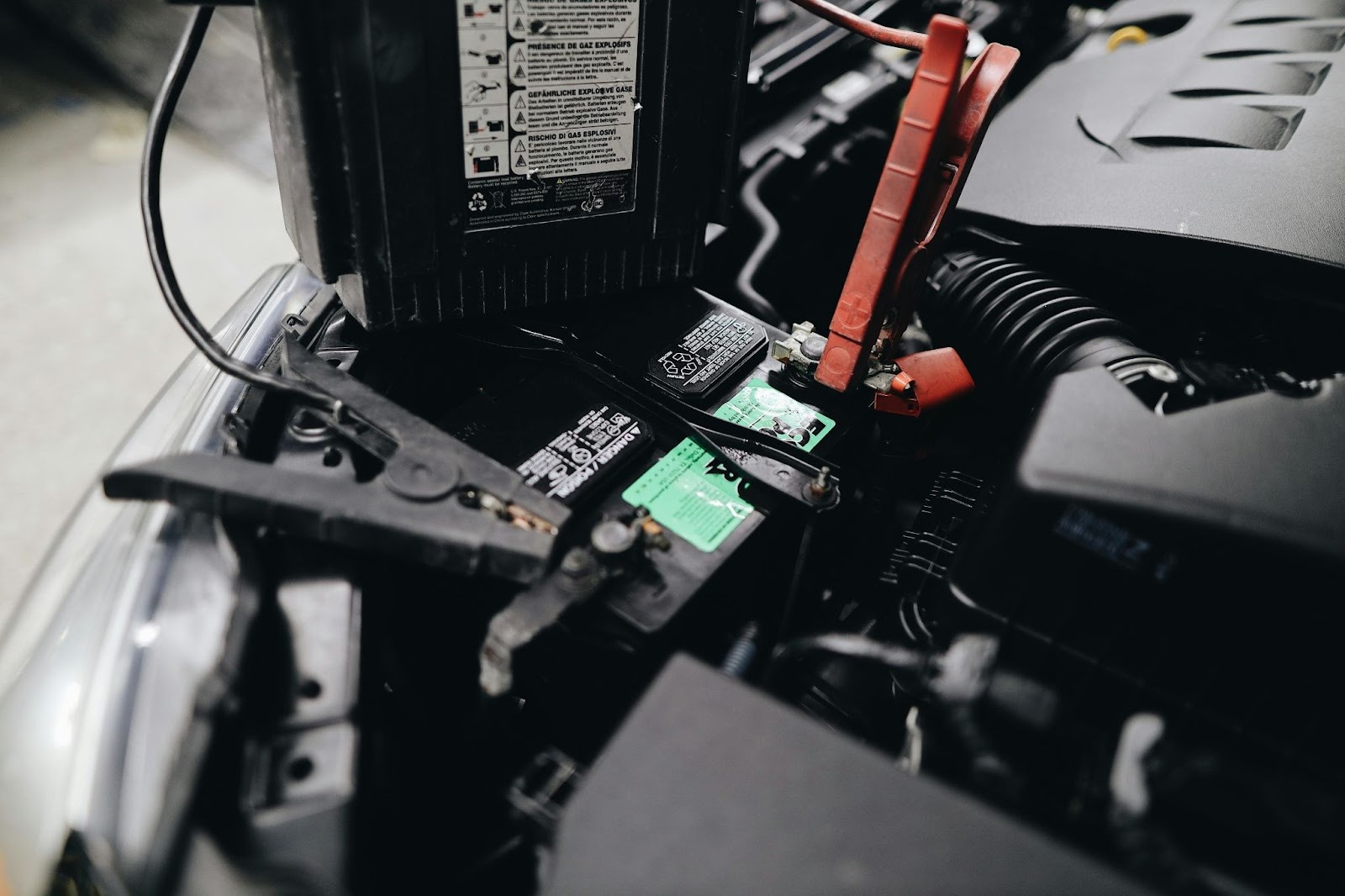
A central aspect of this research is understanding battery degradation. During their first life in electric vehicles, batteries are exposed to varying operating conditions, including high charge and discharge rates, temperature fluctuations, and different usage patterns. These factors influence how the battery ages and how much usable capacity remains.
Ritah’s work examines these degradation patterns in detail, with the aim of determining how batteries are likely to perform when deployed in a second-life context. By linking first-life usage to second-life performance, the research provides a more accurate basis for assessing the suitability of retired batteries for microgrid systems.
From Degradation to Decision-Making
A key question addressed by this research is: how long can repurposed EV batteries reliably operate within mini-grid systems?
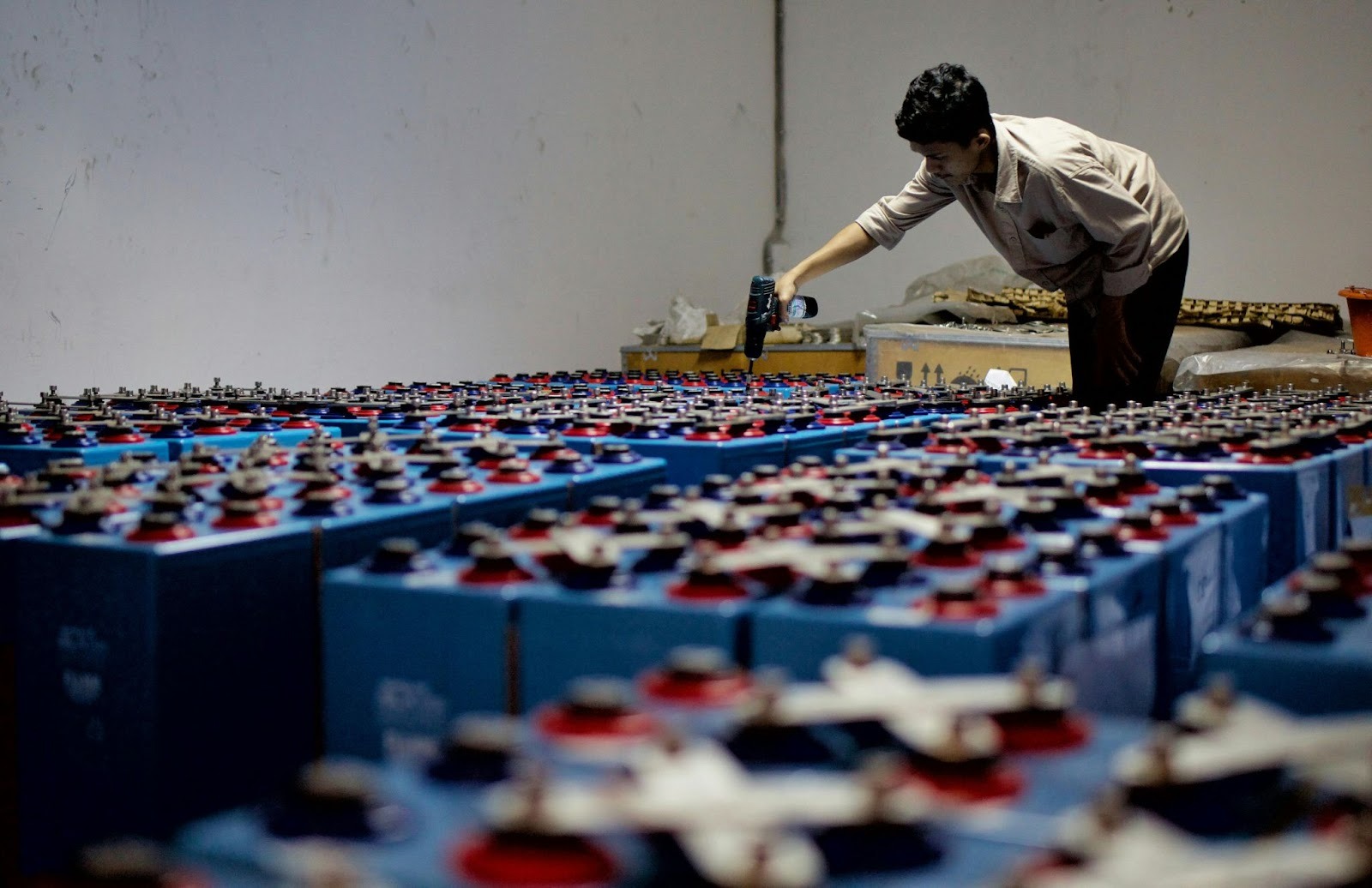
Answering this question is critical for system designers, operators, and investors. Reliable performance estimates support better planning, reduce uncertainty, and help ensure that energy storage systems can meet demand over time. This is particularly important in microgrid contexts, where system failures can have significant impacts on communities that depend on them for essential services.
By developing insights into battery ageing and performance, the research contributes to more informed decision-making around battery selection, system design, and operational strategies.
Extending Value Through Circular Approaches
This work also highlights the importance of circular economy thinking in energy systems. Traditionally, EV batteries are considered for recycling once they reach the end of their automotive life. However, this approach overlooks the remaining value embedded in these systems.
By introducing an intermediate stage in the battery lifecycle, second-life applications enable batteries to be repurposed for continued use before final recycling. This not only extends the functional life of the battery but also reduces material waste and delays the need for resource-intensive recycling processes.
In this way, second-life battery use represents a practical pathway for embedding circularity into the energy transition.
The Role of Energy Storage in Renewable Systems
Energy storage plays a critical role in enabling renewable energy systems to function effectively. Solar and wind generation are inherently intermittent, and without adequate storage, maintaining a consistent and reliable electricity supply can be challenging.

In microgrid settings, this challenge is even more pronounced. Systems must be able to respond to fluctuations in both supply and demand while operating within constrained infrastructure environments.
Second-life EV batteries offer a promising solution. By providing a cost-effective and flexible storage option, they can help stabilise energy supply, improve system reliability, and support the integration of higher shares of renewable energy.
Towards Practical Implementation
While the potential of second-life batteries is significant, their successful deployment requires careful consideration of technical, operational, and safety factors. Issues such as battery health assessment, standardisation, system integration, and lifecycle management all play a role in determining feasibility.
CEPREC’s research seeks to address these challenges by generating evidence-based insights that can inform both practice and policy. By bridging the gap between laboratory analysis and real-world application, this work supports the development of scalable and context-appropriate solutions.
Looking Ahead
Through this research, CEPREC continues to advance practical, research-driven approaches to integrating circular economy principles into energy systems. By focusing on real-world challenges and opportunities, the work contributes to a broader effort to design energy systems that are not only clean, but also resilient, efficient, and sustainable over the long term.
As the energy transition accelerates, approaches such as second-life battery repurposing will play an increasingly important role in ensuring that renewable energy systems deliver lasting value for communities across Africa